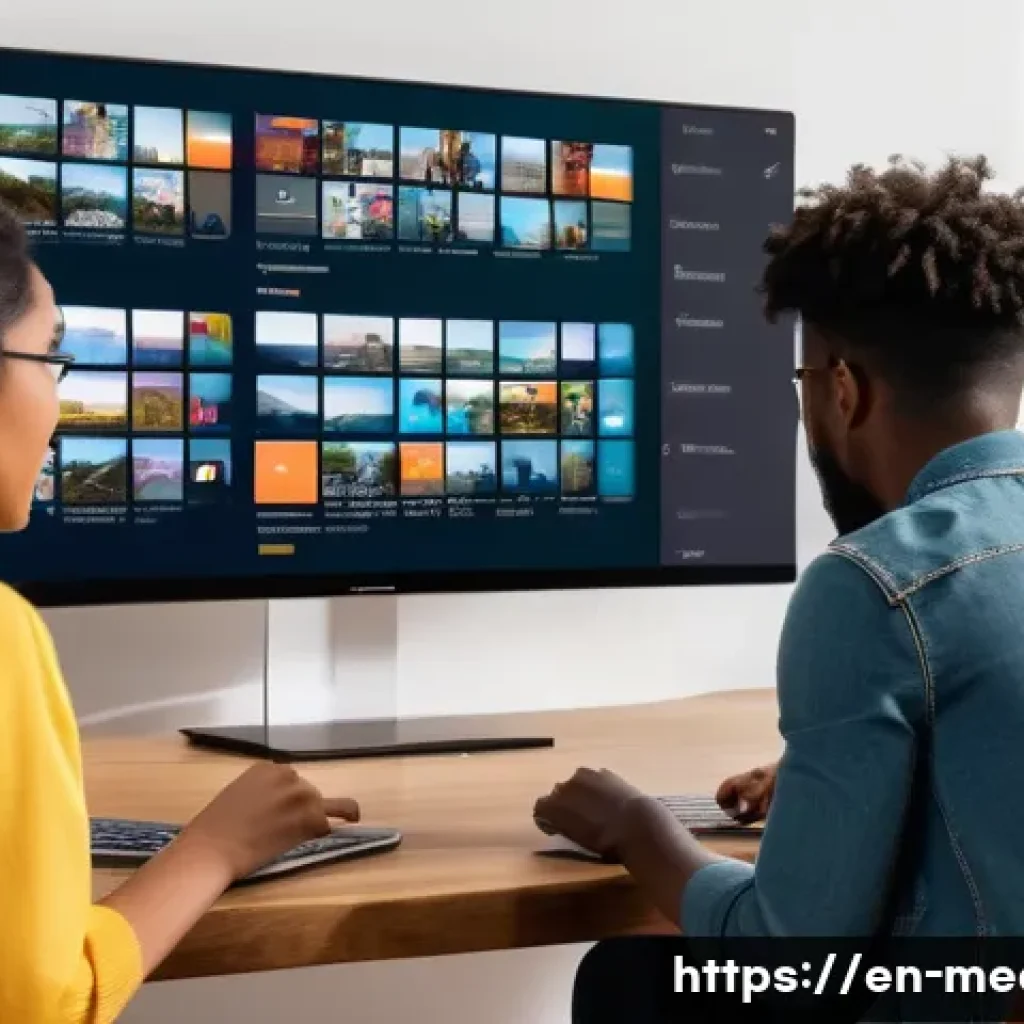
Choosing a compelling topic for a media studies thesis can be both exciting and challenging, as it sets the foundation for your entire research journey.
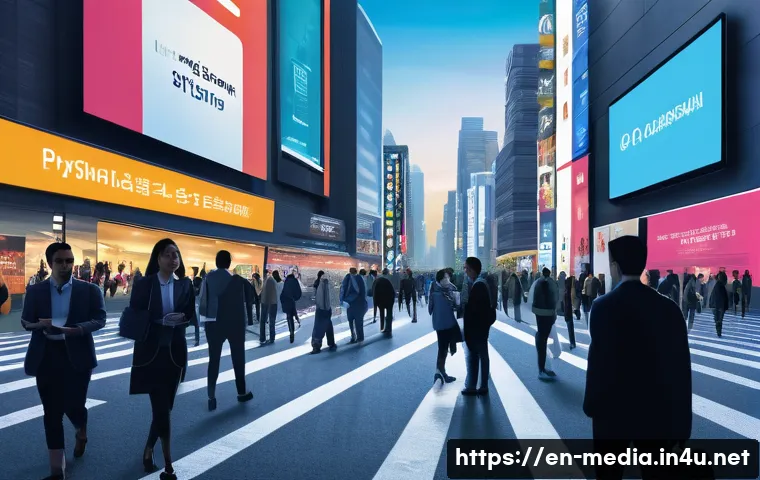
With the rapid evolution of digital platforms and the growing influence of social media on public opinion, finding a unique angle is more important than ever.
Whether you’re exploring the impact of streaming services, analyzing media representation, or investigating the role of algorithms in shaping content, your thesis can contribute valuable insights to the field.
Drawing from current trends and personal observations can make your work stand out and resonate with readers. Let’s dive into the details and uncover the perfect thesis topic together!
Exploring the Influence of Digital Narratives on Audience Perception
How Storytelling Shapes Viewer Engagement Across Platforms
The way stories are crafted and delivered on digital platforms has dramatically changed the landscape of media consumption. Unlike traditional media, where narratives followed a relatively fixed format, digital storytelling often incorporates interactive elements, nonlinear plots, and user participation.
From my own experience binge-watching web series that invite viewer comments influencing plot directions, I noticed a deeper emotional investment compared to conventional TV shows.
This shift demands a fresh look at how narratives engage audiences, encouraging researchers to examine not just what stories are told but how their delivery impacts audience perception and retention.
The convergence of multimedia elements—video, text, and social media interactions—creates a richer environment for storytelling that actively shapes how viewers interpret and internalize content.
The Role of User-Generated Content in Shaping Media Narratives
User-generated content (UGC) has become a cornerstone of digital media, blurring the lines between content creators and consumers. Platforms like TikTok and Instagram have empowered everyday users to craft and share stories that sometimes rival professional productions in reach and influence.
I’ve personally observed viral trends where grassroots narratives sparked widespread conversations on social issues, highlighting the power of ordinary voices in shaping public discourse.
This phenomenon raises important questions about authority and authenticity in media narratives, inviting thesis work that investigates how UGC challenges traditional gatekeepers and transforms the cultural landscape.
Algorithmic Mediation and Its Impact on Narrative Diversity
Algorithms curate much of the content we consume, subtly guiding us toward specific narratives while filtering out others. This automated mediation influences not only what stories reach audiences but also how diverse those stories are.
Based on my observations of streaming platforms recommending similar genres repeatedly, it’s clear that algorithmic preferences can create echo chambers that limit exposure to varied perspectives.
Researching this aspect opens a window into understanding the balance between personalization and diversity in digital narratives, especially considering the social implications of narrowed media diets.
Decoding the Power of Visual Representation in Media
Media Portrayals and Their Effect on Social Identity
Visual representation in media profoundly impacts how individuals and communities see themselves and are seen by others. Through my own media consumption, I’ve noticed how positive portrayals of marginalized groups can foster empowerment, while stereotypical or negative images often perpetuate harmful biases.
Exploring this dynamic involves analyzing how media constructs identities and influences societal attitudes, a rich area for thesis research that combines content analysis with audience studies.
This approach can uncover the mechanisms behind representation and its tangible effects on social cohesion and self-perception.
Emerging Trends in Inclusive Visual Storytelling
In recent years, there has been a noticeable push toward inclusivity in media visuals, reflecting broader social movements advocating for diversity and equity.
I’ve seen firsthand how campaigns and shows that prioritize authentic representation resonate more deeply with viewers, fostering loyalty and conversation.
Investigating these trends allows for an examination of how inclusive storytelling is evolving, the challenges it faces, and its impact on both industry practices and audience expectations.
This topic is particularly relevant as global audiences demand content that reflects their realities more accurately.
Visual Framing Techniques and Their Psychological Impact
The framing of images and scenes can significantly influence audience interpretation and emotional response. From my experience watching documentaries, subtle choices in camera angles, color palettes, and editing styles can shape narratives as powerfully as words.
Analyzing these visual techniques offers insight into how media creators manipulate perception and elicit specific reactions, providing a fertile ground for research that bridges media studies with psychology and communication theories.
Streaming Platforms as Catalysts for Media Evolution
How On-Demand Viewing Changes Consumption Habits
Streaming services have revolutionized the way audiences consume media, shifting from scheduled programming to on-demand access. I’ve noticed that this flexibility encourages binge-watching behaviors, altering attention spans and expectations for storytelling pacing.
This shift challenges traditional broadcast models and invites investigation into how on-demand viewing reshapes audience engagement, content production, and even advertising strategies.
A thesis in this area can explore behavioral patterns and the broader cultural implications of this media transformation.
The Economics Behind Streaming Success
The business models of streaming platforms, including subscription fees, ad-supported tiers, and content licensing, have redefined media economics. Drawing from market observations, it’s evident that the competition to secure exclusive content drives innovation but also raises concerns about accessibility and monopolization.
Researching these economic dynamics offers valuable insights into how financial incentives influence what content gets produced and promoted, highlighting the intersection of media, commerce, and consumer choice.
Globalization and Localization in Streaming Content
Streaming platforms operate on a global scale but often tailor content to local markets through dubbing, subtitles, and culturally relevant programming.
I’ve personally enjoyed shows that blend universal themes with local storytelling elements, creating a hybrid cultural experience. Exploring this balance between globalization and localization is crucial for understanding how media transcends borders while respecting cultural specificity, a compelling subject for thesis research focused on transnational media flows.
The Role of Social Media in Shaping Public Discourse
From Hashtags to Movements: Social Media as an Activism Tool
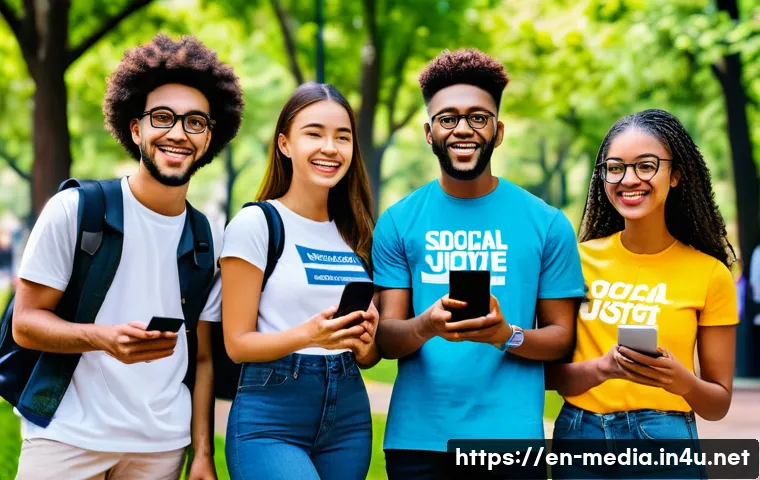
Social media platforms have become powerful arenas for activism, with hashtags often igniting widespread social movements. I recall witnessing how a simple hashtag campaign rapidly mobilized communities around critical issues, demonstrating social media’s potential to amplify voices and effect change.
Studying this phenomenon involves analyzing the strategies, successes, and limitations of digital activism, offering insights into the interplay between technology, communication, and social justice.
Echo Chambers and Polarization Online
The architecture of social media can foster echo chambers, where users predominantly encounter information that reinforces their existing beliefs. From personal experience observing polarized debates on Twitter, it’s clear this environment contributes to societal divisions.
Researching echo chambers entails examining algorithmic curation, user behavior, and the resulting impact on democratic discourse, making it a pressing topic for media studies focused on the digital age.
Influencer Culture and Its Impact on Public Opinion
Influencers hold significant sway in shaping trends, opinions, and consumer behavior. Having followed several influencers across different niches, I noticed how their authenticity and relatability drive audience trust.
Investigating influencer culture offers a lens to understand the dynamics of credibility, marketing, and identity construction in contemporary media landscapes.
Understanding Algorithmic Influence on Content Exposure
Personalization Versus Diversity: The Algorithmic Dilemma
Algorithms tailor content feeds based on user preferences, aiming to maximize engagement. However, this personalization can come at the cost of exposure to diverse viewpoints.
From my own social media feeds, I’ve experienced how repetitive content narrows my perspective, highlighting the need to scrutinize this trade-off. A thesis could delve into algorithmic design, its effects on content diversity, and potential interventions to foster balanced media consumption.
Transparency and Accountability in Algorithmic Systems
The opaque nature of many algorithms raises concerns about fairness and bias. Observing controversies around content moderation and recommendation systems, I believe greater transparency is essential for trust.
Researching this area involves exploring ethical considerations, regulatory frameworks, and user empowerment, contributing to a more informed discourse on algorithmic governance.
Algorithmic Impact on Minority and Marginalized Voices
Algorithms may inadvertently suppress content from minority creators by prioritizing mainstream or popular material. From analyzing platform trends, it’s apparent that marginalized voices often struggle for visibility.
Investigating this issue sheds light on the inclusivity challenges within algorithmic curation and suggests pathways for more equitable media ecosystems.
Interactive Media and Audience Participation
From Passive Viewers to Active Participants
Interactive media transforms traditional audiences into participants who influence story outcomes or content direction. In gaming and live streaming communities I’m part of, this interactivity creates a sense of ownership and deeper connection.
Exploring this shift offers insights into how participation changes narrative structures and audience engagement, a valuable topic for media studies.
The Rise of Transmedia Storytelling
Transmedia storytelling spreads narratives across multiple platforms, encouraging audiences to piece together stories from various media forms. Experiencing franchises that use comics, films, and social media to build worlds showed me how this approach fosters immersive experiences.
Researching transmedia strategies highlights the evolving nature of storytelling in the digital era.
Challenges and Opportunities in Measuring Engagement
Quantifying audience participation in interactive media presents unique challenges. Drawing from analytics tools I’ve used, measuring meaningful engagement goes beyond clicks or views, encompassing emotional and cognitive involvement.
Investigating methodologies for engagement assessment can enhance understanding of media impact and effectiveness.
| Topic Area | Key Focus | Research Potential | Example Platforms |
|---|---|---|---|
| Digital Narratives | Storytelling methods and audience perception | High – evolving formats and emotional impact | YouTube, Web Series, Interactive Apps |
| Visual Representation | Identity portrayal and inclusivity | High – social influence and cultural relevance | Television, Streaming, Advertising |
| Streaming Platforms | Consumption habits and economics | Moderate – market trends and globalization | Netflix, Hulu, Disney+ |
| Social Media | Public discourse and activism | High – societal impact and polarization | Twitter, Instagram, TikTok |
| Algorithmic Influence | Content curation and diversity | High – ethical and social implications | Facebook, YouTube, Spotify |
| Interactive Media | Audience participation and transmedia | Moderate – engagement and narrative innovation | Twitch, Video Games, VR Platforms |
Conclusion
Digital media continues to reshape how stories are told and received, influencing audience engagement in unprecedented ways. From interactive narratives to algorithm-driven content, the evolving landscape demands ongoing exploration of its social, cultural, and psychological impacts. Understanding these dynamics helps us appreciate the complexity of modern media consumption and its role in shaping public perception.
Useful Insights to Keep in Mind
1. Storytelling on digital platforms is no longer linear; interactivity and multimedia elements deepen emotional connections with audiences.
2. User-generated content empowers everyday voices, challenging traditional media authorities and enriching public discourse.
3. Algorithms personalize content but can limit exposure to diverse perspectives, influencing how audiences perceive the world.
4. Inclusive and authentic visual representation promotes social empowerment and fosters stronger audience loyalty.
5. Streaming services and social media platforms transform consumption habits and activism, highlighting the evolving nature of media influence.
Key Takeaways
Recognizing the multifaceted influence of digital narratives, visual representation, and algorithmic curation is essential for navigating today’s media environment. Engaging with interactive content and understanding the economic and cultural forces behind streaming platforms provide valuable context for media literacy. Ultimately, fostering transparency and inclusivity in digital spaces strengthens both audience experience and societal dialogue.
Frequently Asked Questions (FAQ) 📖
Q: How can I choose a unique and compelling topic for my media studies thesis?
A: Start by exploring current trends in media, such as the rise of streaming platforms or the influence of social media algorithms. Think about what genuinely interests you and where you can offer a fresh perspective.
Combining personal observations with existing research often leads to unique angles. For example, instead of just analyzing representation in media, you might focus on how emerging platforms impact underrepresented voices.
The key is to pick a topic that excites you because your enthusiasm will carry through your writing and research.
Q: What are some effective ways to narrow down a broad media studies topic?
A: It’s easy to feel overwhelmed with broad topics like “media representation” or “digital media impact.” To narrow it down, consider specific case studies, demographics, or platforms.
For instance, rather than studying social media as a whole, focus on TikTok’s role in shaping political discourse among Gen Z. Alternatively, look at a particular genre or community within media.
Drawing from your own experiences or local media phenomena can also help you zoom in on something manageable yet meaningful.
Q: How important is it to include recent developments and digital trends in my thesis?
A: Including the latest trends is crucial because media landscapes evolve rapidly, and your research should reflect that dynamism. Referencing up-to-date examples like new algorithm changes, emerging platforms, or recent shifts in audience behavior not only strengthens your thesis’s relevance but also shows your engagement with the field.
From my experience, weaving in current developments keeps your work fresh and can attract more interest from both academic and general audiences. Just make sure to balance trends with solid theoretical foundations.