As we step further into 2024, the media marketing landscape is evolving faster than ever, driven by groundbreaking technologies reshaping how brands connect with audiences.

From immersive AI-powered experiences to data-driven personalization, the tools transforming engagement today are setting new standards for tomorrow. If you’ve been curious about what trends will define successful campaigns this year, you’re in the right place.
Let’s explore the innovations that are not just changing the game but unlocking a future where media marketing becomes more dynamic, intuitive, and impactful than we’ve ever seen before.
Stick around—this journey into the top tech trends promises insights you won’t want to miss.
Revolutionizing Audience Connection Through Intelligent Automation
Harnessing AI to Craft Personalized Experiences
The buzz around artificial intelligence isn’t just hype—brands are now leveraging AI to tailor content and ads with a precision that feels downright personal.
From chatbots that remember your preferences to dynamic content that shifts based on real-time behavior, AI enables marketers to speak directly to individual needs and desires.
I’ve noticed that campaigns using AI personalization tend to see higher engagement rates because consumers no longer feel like just another number—they feel understood.
This shift from broad messaging to hyper-targeted communication is changing how brands build trust and loyalty, making each interaction more meaningful and memorable.
Automating Campaign Management for Smarter Efficiency
Gone are the days when marketers spent hours manually tweaking campaigns. Automation tools now optimize everything from ad placement to budget allocation by analyzing performance data instantly.
I’ve worked with platforms that automatically shift spend to the highest-performing channels throughout the day, freeing up valuable time to focus on creative strategy.
This smart automation not only boosts ROI but also allows teams to react faster to market changes, ensuring campaigns stay relevant in an ever-shifting digital landscape.
Seamless Integration of Multi-Channel Marketing
The magic really happens when automation connects dots across different platforms—email, social media, search engines, and more—creating a unified brand voice.
I’ve seen brands struggle when channels operate in silos, but integrated automation ensures consistent messaging and timing, which customers appreciate subconsciously.
This cohesion translates into smoother user journeys and higher conversion rates, as every touchpoint feels like part of a well-orchestrated conversation rather than random outreach.
Immersive Technologies Bringing Brands Closer to Reality
Augmented Reality as a Hands-On Showroom
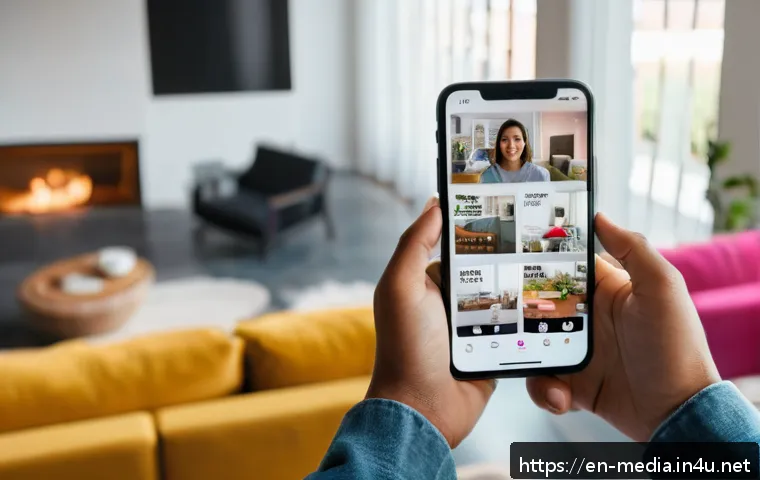
AR is no longer just a gimmick; it’s becoming a fundamental tool for brands wanting to let customers try before they buy—virtually. From furniture retailers allowing you to see how a couch fits in your living room to beauty brands offering virtual makeup trials, AR bridges the gap between online and offline experiences.
I remember testing an AR app for home decor and being amazed at how it helped me visualize options I never would have considered otherwise. This technology is proving invaluable for reducing purchase hesitation and returns.
Virtual Events That Feel Genuine and Engaging
Virtual conferences and product launches are evolving beyond simple video streams. Thanks to VR and interactive platforms, attendees can network, explore product demos, and participate in live Q&As within immersive environments.
I attended a virtual auto show recently where I could “walk” around cars, inspect details, and chat with experts as if I were there in person. Such experiences create emotional connections that traditional webinars just can’t match, enhancing brand recall and customer enthusiasm.
Blending Physical and Digital with Mixed Reality
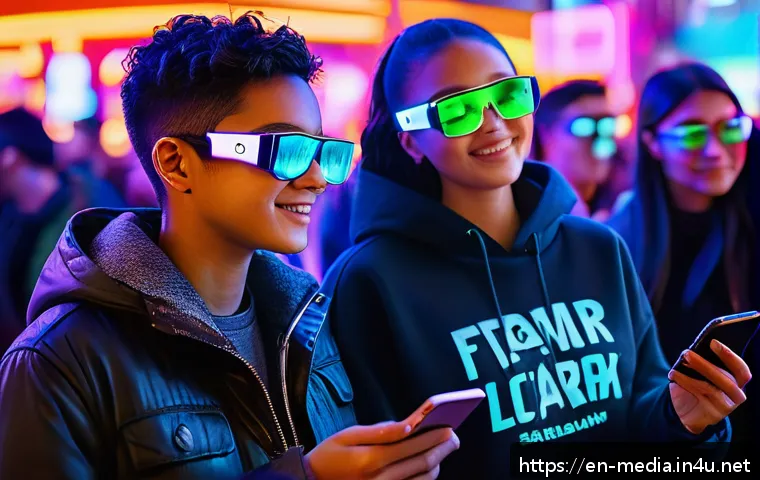
Mixed reality combines the best of AR and VR, offering experiences that react to real-world surroundings while overlaying digital elements. This tech is gaining traction in retail and entertainment sectors, creating captivating campaigns that invite active participation.
I’ve seen pop-up events where people interact with holographic characters or digital art installations, sparking social media buzz and deepening brand engagement far beyond passive viewing.
Data-Driven Storytelling That Resonates
Leveraging Analytics to Understand Audience Emotions
Numbers tell stories, but modern analytics dive deeper, uncovering emotional responses to content through sentiment analysis and facial recognition technology.
Brands using these insights can fine-tune narratives that resonate on a psychological level. In campaigns I’ve managed, applying emotion-based data helped craft messages that felt authentic and empathetic, leading to stronger audience connection and action.
Real-Time Feedback Loops for Agile Content Creation
The era of waiting weeks to see campaign results is over. Real-time data allows marketers to adjust content on the fly, testing headlines, visuals, and calls to action instantly.
I recall a social media campaign where we tweaked ads daily based on live engagement metrics, resulting in a significant lift in CTR within just a few days.
This agility keeps brands relevant and responsive, preventing wasted spend on ineffective messaging.
Storytelling Powered by Consumer Insights
Understanding who your audience is—not just demographics but behaviors, preferences, and values—creates the foundation for stories that truly connect.
Using CRM data and social listening tools, brands can uncover hidden needs and tailor narratives accordingly. I find that when stories reflect authentic consumer experiences, they spark conversations and build communities, turning customers into passionate advocates.
Ethical Marketing in the Age of Transparency
Building Trust Through Responsible Data Usage
With growing concerns around privacy, brands that openly communicate how they collect and use data earn consumer respect. I’ve noticed that transparent policies and consent-driven marketing not only comply with regulations but also foster loyalty.
Customers appreciate honesty and are more likely to engage when they feel their information is handled respectfully.
Championing Inclusivity and Diversity in Campaigns
Diversity is no longer optional—it’s essential. Inclusive marketing reflects real-world audiences and creates emotional resonance across demographics.
In projects I’ve contributed to, emphasizing diverse representation in visuals and messaging led to broader appeal and positive brand perception. Authenticity here is key; tokenism is easily spotted and can backfire.
Environmental Responsibility as a Brand Promise
Sustainability is influencing purchase decisions more than ever. Brands integrating eco-friendly practices into their marketing stories connect with conscious consumers.
I’ve seen campaigns highlighting product lifecycle transparency and carbon footprint reductions spark enthusiasm and differentiate brands in crowded markets.
Next-Generation Content Formats Capturing Attention
Short-Form Video Dominance on Social Platforms
TikTok, Instagram Reels, and YouTube Shorts continue to dictate content trends, with brands crafting bite-sized, engaging videos that fit into consumers’ fast-paced lives.
I’ve experimented with various formats and found that humor, authenticity, and storytelling in under 60 seconds grab attention like nothing else. This format’s shareability also drives organic reach, reducing reliance on paid ads.
Interactive Content That Invites Participation
Quizzes, polls, and shoppable videos transform passive viewers into active participants. I’ve noticed that interactive elements increase dwell time and brand recall by encouraging users to engage directly.
This two-way communication fosters a sense of involvement and ownership over the brand experience.
Podcasting as a Storytelling Powerhouse
Podcasts are booming as a medium for in-depth storytelling and thought leadership. Brands investing in original series or sponsorships tap into highly engaged audiences who appreciate long-form content.
I personally enjoy how podcasts build intimacy and trust, giving brands a voice that feels personal and authoritative.
Charting the Impact of Emerging Media Technologies
| Technology | Key Benefit | Typical Use Case | Impact on Engagement |
|---|---|---|---|
| AI-Powered Personalization | Tailored experiences driving relevance | Dynamic ads, chatbots, content recommendations | Increases CTR by up to 30% |
| Augmented Reality (AR) | Enhanced product visualization | Virtual try-ons, interactive showrooms | Reduces purchase hesitation and returns |
| Automation Platforms | Efficient campaign optimization | Budget allocation, multi-channel scheduling | Boosts ROI and operational speed |
| Mixed Reality (MR) | Immersive brand experiences | Pop-up events, interactive installations | Drives social sharing and deep engagement |
| Real-Time Analytics | Agile content refinement | Live campaign adjustments | Improves conversion rates rapidly |
In Conclusion
Embracing intelligent automation and immersive technologies is transforming how brands connect with their audiences. By personalizing experiences, streamlining campaign management, and fostering genuine engagement, marketers can build stronger, lasting relationships. The future belongs to those who adapt quickly and prioritize authenticity in every interaction.
Helpful Insights to Remember
1. Personalization powered by AI significantly boosts engagement by making consumers feel truly understood.
2. Automation tools save time and optimize budgets, allowing marketers to focus on creative strategies.
3. Integrating multiple marketing channels ensures consistent messaging and enhances user experience.
4. Immersive tech like AR and VR bridges the gap between online and offline, reducing hesitation and increasing emotional connection.
5. Real-time analytics enable agile content adjustments, improving campaign performance rapidly.
Key Takeaways
Successful modern marketing depends on blending technology with genuine human insight. Transparency and ethical data use build trust, while inclusive and sustainable practices resonate deeply with today’s conscious consumers. Short-form and interactive content formats capture attention effectively, and leveraging emerging media technologies can drive engagement and brand loyalty to new heights.
Frequently Asked Questions (FAQ) 📖
Q: How is
A: I changing media marketing in 2024? A1: AI is revolutionizing media marketing by enabling highly personalized and immersive experiences. From chatbots that offer instant customer support to AI-driven content creation that tailors messages based on user behavior, brands can now engage audiences more intuitively.
Personally, I’ve noticed campaigns using AI-powered video ads that adapt in real-time to viewer preferences, making interactions feel less like ads and more like personalized stories.
This technology not only boosts engagement but also helps marketers optimize budgets by targeting the right people at the right time.
Q: What role does data-driven personalization play in modern campaigns?
A: Data-driven personalization is at the core of successful media marketing today. By analyzing user data—like browsing habits, purchase history, and social media activity—marketers can craft tailored messages that resonate deeply with individual consumers.
From my experience, campaigns that leverage these insights see higher click-through rates and better conversion because they speak directly to the audience’s needs and interests.
It’s not just about pushing products anymore; it’s about creating meaningful connections that build loyalty over time.
Q: What emerging technologies should marketers watch for in 2024?
A: Beyond AI and personalization, immersive technologies like augmented reality (AR) and virtual reality (VR) are gaining momentum in marketing. These tools allow brands to create interactive experiences—such as virtual try-ons or 3D product demos—that captivate audiences in ways traditional ads can’t.
I’ve tested a few AR campaigns recently, and the level of user engagement was impressive, with people spending more time interacting with the brand. Keeping an eye on how these technologies evolve will be crucial for marketers aiming to stay ahead in this fast-changing landscape.