In a world where technology evolves at lightning speed, the way we consume media is undergoing a dramatic transformation. Lately, AI and immersive technologies like virtual and augmented reality have taken center stage, reshaping how content is created and experienced.
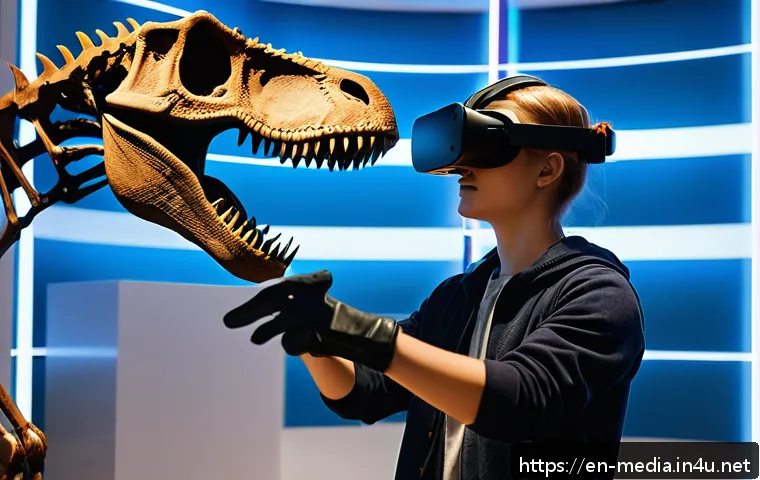
If you’ve noticed how your favorite shows, games, or apps feel more personalized and engaging than ever, you’re not alone. These innovations are unlocking entirely new possibilities for storytelling and interaction, making screens more than just displays—they’re portals to fresh, dynamic worlds.
Let’s dive into how these cutting-edge trends are setting the stage for the future of media and what it means for creators and audiences alike.
The Rise of Personalized Storytelling
How AI Tailors Content to Individual Preferences
Artificial intelligence has revolutionized the way stories are delivered by analyzing users’ behaviors and preferences to craft highly personalized content.
Streaming platforms, for example, don’t just recommend shows based on genre anymore; they dive deeper, considering viewing habits, watch times, and even emotional reactions captured through engagement metrics.
From my own experience, it feels like the platform almost “knows” what mood I’m in and offers suggestions that perfectly fit the moment. This level of personalization creates a sense of connection between the viewer and the content, making the experience far more immersive and engaging than traditional one-size-fits-all approaches.
Interactive Narratives: From Passive Watching to Active Participation
Gone are the days when audiences were mere observers. Thanks to AI-driven branching storylines and immersive tech, viewers can now influence the direction of a narrative, turning passive consumption into an interactive adventure.
I recently tried an interactive series where every choice I made shaped the outcome, and it felt like being part of a live story rather than just watching a screen.
This approach not only increases emotional investment but also encourages repeat engagement, as users explore alternate story paths, enhancing the overall value of the content.
Challenges in Balancing Personalization and Privacy
While personalization boosts engagement, it also raises critical questions about data privacy and user consent. Content creators and platforms must tread carefully to ensure users feel safe sharing their data without fear of misuse.
From a consumer’s perspective, transparency and control over personal information are essential. I’ve noticed that platforms offering clear privacy settings and opt-in choices tend to build more trust, which ultimately leads to more authentic and sustained interaction.
Immersive Technologies Transforming Content Experience
Virtual Reality: Stepping Inside New Worlds
Virtual reality has opened up unprecedented ways to experience media by placing users right inside the narrative environment. The sense of presence VR creates is unlike anything traditional screens can offer.
When I put on a VR headset for the first time and explored a virtual museum, I was struck by how natural and engaging it felt to move through the space and interact with exhibits.
This technology is particularly powerful for educational content, gaming, and experiential storytelling, where immersion directly enhances understanding and emotional impact.
Augmented Reality: Blending Digital and Physical Realities
Unlike VR, augmented reality overlays digital elements onto the real world, creating a hybrid experience that can be accessed through smartphones or AR glasses.
I recently used an AR app during a city tour that displayed historical facts and 3D reconstructions right in front of me, turning a simple walk into an interactive history lesson.
This blending of realities offers creators a versatile tool to enrich everyday experiences, making content relevant and context-sensitive in ways never before possible.
Spatial Audio and Haptics: Enhancing Sensory Engagement
Immersion isn’t just visual—sound and touch play critical roles. Spatial audio technology creates a 3D soundscape, so you hear where sounds are coming from, adding depth and realism.
Combined with haptic feedback, which simulates touch sensations, these innovations provide a multi-sensory experience. From my experience playing VR games with spatial audio and haptics, the heightened realism made the virtual world feel genuinely alive, further blurring the line between digital and physical.
Redefining Social Interaction Through Media
AI-Driven Social Features in Streaming and Gaming
Social media integration and AI-powered chatbots are changing how we interact around media. Platforms now use AI to facilitate discussions, recommend friends with similar tastes, and even moderate conversations to keep communities positive.
I noticed that when watching live streams with AI chat moderation, the chat remained constructive and fun, enhancing the social experience. This creates a safe space for fans to connect and share their enthusiasm, enriching the overall media consumption.
Virtual Events and Shared Experiences
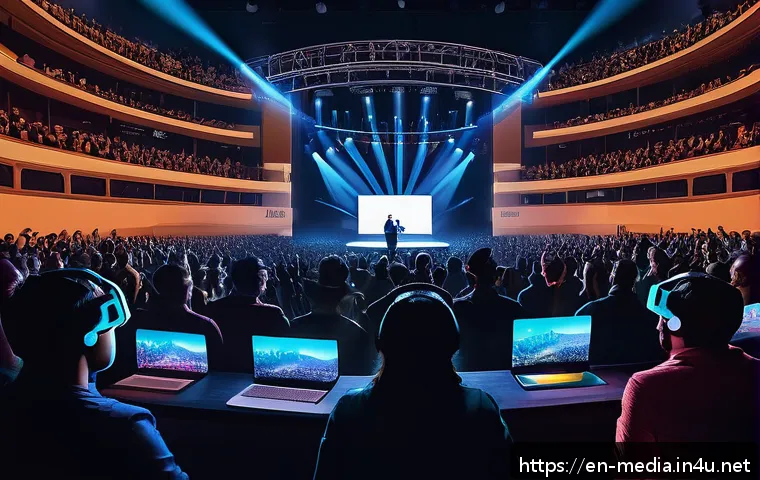
Virtual concerts, premieres, and gaming tournaments have exploded in popularity, offering fans ways to experience events together without physical boundaries.
Participating in a virtual music festival recently, I felt the collective energy of the crowd despite being miles away. These shared digital moments foster a sense of belonging and create new opportunities for creators to monetize and engage with global audiences.
The Role of AI in Content Moderation and Community Building
Maintaining a healthy online community is vital, and AI plays a crucial role in filtering harmful content and promoting respectful dialogue. I’ve seen platforms where AI swiftly flags inappropriate comments and encourages positive interaction, which helps maintain an inviting atmosphere.
This balance between automation and human oversight is key to building thriving, loyal communities around media content.
Monetization Models Evolving with Technology
Subscription and Microtransaction Hybrids
Traditional subscription models are evolving, blending with microtransactions to offer flexible payment options. Many platforms now allow users to subscribe for basic content while purchasing premium features or episodes individually.
From my viewpoint, this hybrid approach gives consumers more control over their spending and content access, catering to diverse preferences and budgets.
Ad Personalization Powered by AI
AI is also reshaping advertising by delivering highly targeted ads that feel less intrusive and more relevant. In my browsing experience, ads tailored to my interests caught my attention more effectively than generic ones, improving the chances of engagement.
For creators and platforms, this means higher click-through rates and better revenue without compromising user experience.
Creator Economy and Direct Fan Support
Platforms increasingly empower creators to monetize through direct fan support such as memberships, donations, and exclusive content. I’ve supported creators via platforms offering tiered memberships, which provide perks and build closer relationships.
This model not only diversifies income streams but also fosters a community where fans feel valued and connected.
Technological Infrastructure Supporting New Media Forms
Cloud Computing and Edge Technology
Behind the scenes, cloud computing enables seamless streaming and real-time interactivity by providing scalable resources. Edge computing further reduces latency by processing data closer to users, enhancing experiences like live gaming or VR.
From a user’s perspective, these advancements mean smoother, more responsive media consumption even on mobile devices or in regions with limited connectivity.
5G Networks Accelerating Content Delivery
The rollout of 5G networks is a game-changer for media consumption, offering faster speeds and lower latency. I’ve noticed significantly improved video quality and reduced buffering when streaming on 5G compared to older networks.
This technology supports data-heavy content like 4K streams and AR applications, making high-quality immersive experiences accessible anytime, anywhere.
AI-Powered Content Creation Tools
AI tools are not only personalizing consumption but also streamlining content creation. Automated editing, voice synthesis, and generative art assist creators in producing high-quality work faster and with less technical skill.
Having experimented with AI-assisted video editing, I found it saves considerable time while allowing creative flexibility, democratizing content production for a wider audience.
Emerging Ethical and Cultural Considerations
Addressing Bias and Representation in AI Media
As AI curates and generates content, there’s a growing awareness of bias and inclusivity issues. Ensuring diverse representation and avoiding stereotypes requires careful design and continuous oversight.
From my observation, platforms that actively promote diverse voices and transparent AI practices build stronger trust and resonate better with global audiences.
Digital Wellbeing and Screen Time Awareness
With media becoming more engaging and immersive, concerns about digital wellbeing are rising. Technologies now include features that help users monitor and manage screen time, encouraging healthier consumption habits.
Personally, I appreciate platforms that remind me to take breaks or offer settings to reduce eye strain, showing a commitment to user health alongside engagement.
The Future of Intellectual Property in AI-Generated Content
The rise of AI-generated media raises complex questions about ownership and copyright. Creators, platforms, and lawmakers are still navigating how to fairly attribute and protect content created or enhanced by AI.
From a creator’s standpoint, clear guidelines and protections are essential to foster innovation while respecting original work.
| Trend | Key Features | Impact on Users | Examples |
|---|---|---|---|
| AI-Personalization | Behavior analysis, adaptive recommendations | More relevant content, enhanced engagement | Netflix, Spotify |
| Virtual Reality | Immersive 3D environments, spatial audio | High immersion, active participation | Oculus Quest, VR gaming |
| Augmented Reality | Digital overlays, context-sensitive content | Enhanced real-world experiences | Pokemon Go, AR city tours |
| Social Media AI | Chat moderation, friend recommendations | Safer communities, personalized social interaction | Discord, Twitch |
| Monetization Models | Subscription/microtransaction hybrids, direct fan support | Flexible spending, creator-fan engagement | Patreon, YouTube memberships |
| Infrastructure | Cloud computing, 5G, edge tech | Smooth streaming, low latency | AWS, Verizon 5G |
| Ethical Considerations | Bias mitigation, digital wellbeing, IP rights | Inclusive, responsible content | AI ethics initiatives |
The Blurring Lines Between Entertainment and Everyday Life
Media as a Platform for Social Causes and Education
Media is no longer just about entertainment—it’s increasingly a tool for education and activism. Interactive documentaries and AR experiences bring social issues to life in compelling ways.
I remember engaging with a VR project highlighting climate change that left a stronger impression than any traditional documentary could, showing how immersive media can drive empathy and awareness.
Seamless Integration into Smart Homes and Devices
With smart speakers, connected TVs, and IoT devices, media content is more seamlessly woven into daily routines. Voice commands and AI assistants make accessing and controlling content effortless.
From personal experience, being able to ask my smart speaker to play a favorite podcast or adjust lighting while watching a movie adds a new layer of convenience and immersion.
The Growing Role of User-Generated Content
User-generated content platforms continue to thrive, fueled by accessible creation tools and social sharing. This trend democratizes media, allowing anyone to become a creator and share authentic stories.
Watching the rise of short-form videos on platforms like TikTok, I’m amazed at how fresh, relatable content often outshines polished productions, reflecting the genuine voices of diverse communities.
Conclusion
Personalized storytelling and immersive technologies are reshaping how we engage with media, making experiences more interactive and meaningful than ever before. As these innovations continue to evolve, they open new doors for creativity, social connection, and education. Embracing these changes thoughtfully will enhance not only entertainment but also the way we relate to the world around us.
Helpful Information to Know
1. Personalized content driven by AI improves relevance and deepens engagement by adapting to individual preferences.
2. Immersive technologies like VR and AR transform passive viewing into active, sensory-rich experiences.
3. Ethical considerations such as data privacy, bias, and digital wellbeing are essential for responsible media use.
4. Evolving monetization models offer flexible options that empower both creators and audiences.
5. Advances in infrastructure, including 5G and cloud computing, ensure smoother, more accessible media delivery.
Key Takeaways
Understanding the balance between innovative media experiences and user privacy is crucial for building trust. Interactive and immersive content enhances emotional connection and repeat engagement, while AI-powered tools streamline creation and moderation. The future of media lies in blending technology with ethical practices, fostering diverse, inclusive, and healthy digital communities that benefit creators and consumers alike.
Frequently Asked Questions (FAQ) 📖
Q: uestions about
A: I and Immersive Media Technologies
Q: How are
A: I and immersive technologies changing the way media content is created? A1: AI and immersive technologies like VR and AR are revolutionizing content creation by enabling more dynamic, interactive, and personalized experiences.
For instance, AI can analyze user preferences to tailor storylines or gameplay, while VR and AR allow creators to build fully immersive environments that engage multiple senses.
From my experience, this means creators can experiment with nonlinear narratives and real-time user input, making media feel more alive and responsive than traditional formats.
Q: What does this transformation mean for audiences and their media consumption habits?
A: For audiences, these innovations mean media is no longer a passive experience. Instead, users become active participants, exploring stories or games in ways that suit their interests and pace.
I’ve noticed that platforms incorporating AI-driven recommendations and immersive tech keep me hooked longer because the content feels uniquely relevant and engaging.
It’s like stepping inside a story rather than just watching it unfold on a screen.
Q: Are there any challenges or downsides to the rise of
A: I and immersive media technologies? A3: Absolutely, while the potential is exciting, there are challenges like privacy concerns, technology accessibility, and content oversaturation.
From what I’ve observed, some users worry about how their data is used to personalize content, and not everyone has access to high-end VR gear. Additionally, creators face pressure to constantly innovate to keep audiences engaged, which can be both a creative and financial strain.
Still, with thoughtful development, these hurdles can be addressed to make the experience rewarding for all.