In today’s fast-paced digital world, understanding how people consume media has never been more crucial. With streaming platforms, social media, and personalized content shaping our daily habits, the modern media consumer is more empowered—and more selective—than ever.
Recent shifts in attention spans and content preferences reveal fascinating trends that marketers and creators can’t afford to miss. Whether you’re a content creator, brand strategist, or just curious about media behavior, diving into these insights will give you a real edge.
Let’s explore what’s driving these changes and how you can stay ahead in this dynamic landscape.
Shifting Patterns in Media Consumption Habits
The Rise of Bite-Sized Content
The modern media consumer’s attention span has notably shortened, a trend heavily influenced by platforms like TikTok, Instagram Reels, and YouTube Shorts.
These platforms prioritize quick, engaging bursts of content that can be consumed in seconds rather than minutes. From my own experience scrolling through these apps, it’s clear that users prefer content that fits seamlessly into short breaks or multitasking moments.
This shift challenges creators to craft messages that are not only impactful but also immediately captivating. The old model of long-form videos or articles doesn’t always resonate anymore unless the content is exceptionally compelling or niche-specific.
Personalization Driving Engagement
One of the most significant changes is the demand for hyper-personalized content. Algorithms on streaming services and social media platforms analyze user preferences down to the minutest detail, delivering tailor-made recommendations.
This level of customization has created an expectation among consumers that every piece of content should feel relevant to their unique interests and moods.
From my observations, brands that invest in data-driven personalization see noticeably higher engagement rates because consumers feel understood and valued, which builds loyalty over time.
The Blurring Lines Between Creator and Consumer
Today’s audience isn’t just passively absorbing content; they actively participate, remix, and share it. Platforms like Twitch and Clubhouse highlight how real-time interaction transforms media consumption into a communal experience.
I’ve noticed that content creators who foster genuine two-way communication often cultivate more passionate and engaged communities. This dynamic shifts power toward consumers, who expect to influence the content they consume, making traditional one-way broadcasts feel outdated and less appealing.
The Impact of Device Preferences on Viewing Behavior
Mobile Dominance and On-the-Go Viewing
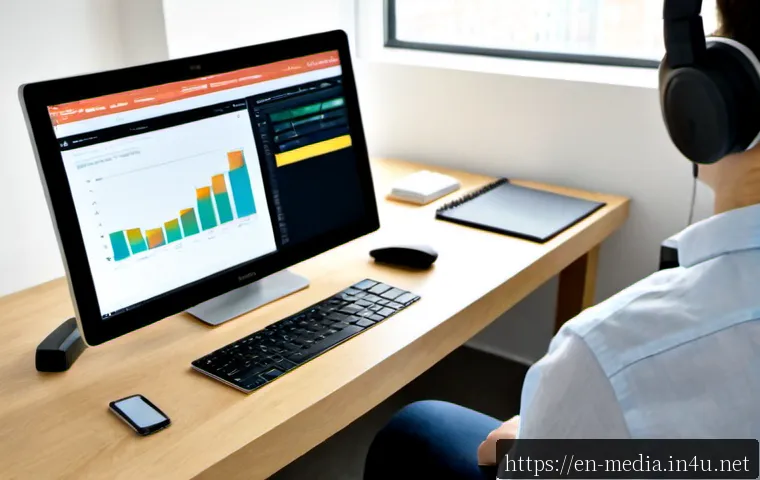
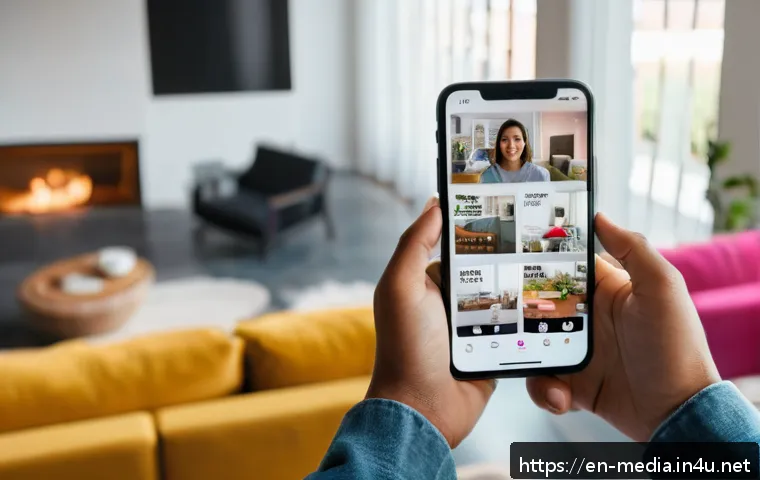
Mobile devices have become the primary gateway for media consumption, especially among younger demographics. The convenience of smartphones allows users to access content anywhere, whether commuting, waiting in line, or during short breaks.
In my own routine, I find myself watching short videos or listening to podcasts on mobile more than on desktop or TV. This mobility demands that creators optimize content for vertical formats and quick loading times, ensuring a smooth experience that fits the fast-paced lifestyle of today’s consumers.
Smart TVs and the Return of Long-Form Content
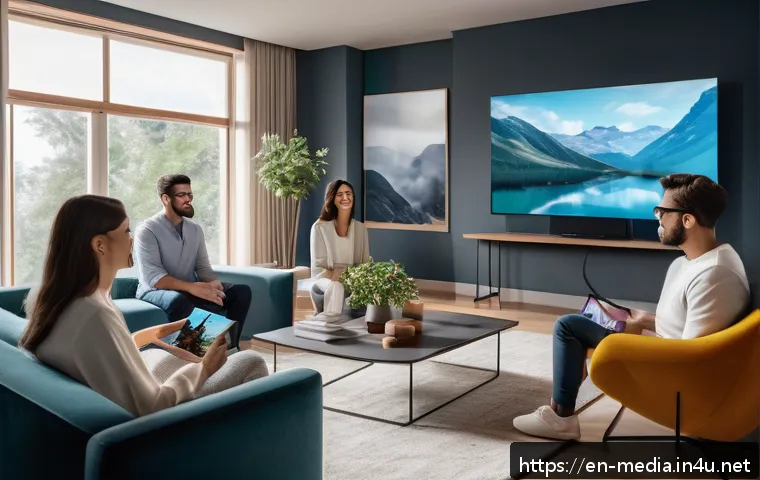
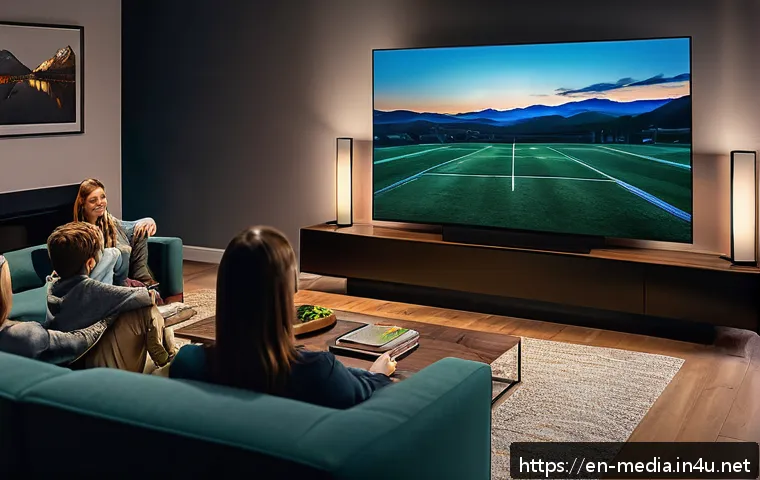
Despite mobile’s rise, smart TVs have revitalized the appetite for long-form media like movies, series, and documentaries in the home setting. The bigger screen and immersive sound create a different kind of engagement, often favoring binge-watching sessions.
From what I’ve seen, households tend to use smart TVs for more intentional viewing, often planned around relaxation or social gatherings, which contrasts with the casual, fragmented consumption on mobile.
Wearables and Voice Assistants Shaping New Interactions
Emerging devices like smartwatches and voice assistants are subtly changing how and when people interact with media. These devices excel at delivering quick updates, reminders, or audio content like news briefings and podcasts.
My own experience with voice assistants reveals how hands-free, conversational media consumption is becoming a convenient option, particularly for multitasking moments such as cooking or exercising.
Content Preferences and Emotional Connection
The Demand for Authenticity
Consumers today crave authenticity more than polished perfection. Content that feels real, vulnerable, and relatable tends to resonate deeper. From following creators who openly share their struggles and triumphs, I’ve noticed that this raw honesty builds stronger emotional bonds and trust.
Brands and influencers who embrace imperfection often find their audiences more loyal and engaged because people see them as genuinely human.
The Growth of Niche Communities
Instead of broad appeal, many consumers prefer niche content tailored to their specific interests or identities. Whether it’s a podcast about sustainable living or a YouTube channel focused on retro gaming, these specialized communities thrive on shared passion.
I’ve personally joined several niche groups where the content sparks lively discussions and a sense of belonging that mass-market media struggles to provide.
Interactive and Immersive Storytelling
The evolution of technology has brought about new forms of storytelling that invite active participation. Augmented reality (AR), virtual reality (VR), and interactive videos allow users to engage with content beyond passive consumption.
While I’ve only dabbled in AR experiences, it’s clear that immersive storytelling adds layers of engagement, making media feel more memorable and impactful.
Advertising and Monetization Trends in Media
The Rise of Native Advertising and Sponsored Content
Consumers have become adept at tuning out traditional ads, prompting marketers to shift toward native advertising that blends seamlessly with content.
From my perspective as a viewer, sponsored posts or videos that provide genuine value or entertainment are far more effective than overt sales pitches.
This subtle approach respects the consumer’s experience while still promoting products or services.
Subscription Models Gaining Traction
Subscription-based platforms like Netflix, Spotify, and Patreon have transformed how media is funded and consumed. I’ve noticed that paying subscribers often expect higher quality and ad-free experiences, which incentivizes creators to prioritize content excellence and community engagement.
This model fosters a direct relationship between creators and consumers, reducing reliance on advertising and increasing creative freedom.
Microtransactions and Digital Goods
The growing popularity of microtransactions, such as tipping creators or purchasing digital goods, reflects changing attitudes toward valuing content.
In my experience supporting creators through small payments, it feels like a personal way to show appreciation beyond passive viewing. This trend enables diverse monetization streams and encourages creators to build closer connections with their audiences.
How Social Media Shapes Media Consumption
Algorithm-Driven Feeds and Content Discovery
Social media algorithms curate what users see, heavily influencing content discovery and consumption patterns. These algorithms prioritize engagement metrics, which can sometimes create echo chambers but also help users find content aligned with their interests.
I’ve experienced how my feed adapts quickly based on my interactions, making it a personalized yet sometimes repetitive media environment.
Short-Form Video as a Dominant Force
The explosive popularity of short-form video has revolutionized social media engagement. Platforms like TikTok have created a culture of rapid content creation and consumption, where trends can go viral overnight.
I find the immediacy and creativity of short videos addictive, but it also means creators must constantly innovate to capture fleeting attention.
Social Commerce and Influencer Marketing
Social media is no longer just a place for content consumption; it’s becoming a hub for commerce. Influencers play a crucial role in driving purchases through authentic recommendations.
From my observations, consumers trust influencers who share honest opinions and relatable stories, which often leads to higher conversion rates than traditional advertising.
Data Privacy and Consumer Trust
Growing Awareness of Data Use
As personalization increases, so does consumer awareness and concern about how their data is collected and used. I’ve noticed a growing demand for transparency and control over personal information, pushing platforms to adopt clearer privacy policies and settings.
Trust becomes a key factor in whether consumers engage deeply or withdraw from certain media channels.
Balancing Personalization and Privacy
Finding the sweet spot between tailored content and respecting privacy is a major challenge. From my perspective, brands that communicate openly about data use and offer opt-in choices tend to build stronger, more trusting relationships.
Consumers want the benefits of personalization without feeling exploited or surveilled.
The Role of Regulation and Compliance
Regulatory frameworks like GDPR and CCPA have reshaped how companies handle user data, impacting media consumption indirectly by enforcing stricter privacy standards.
I’ve seen platforms adapt by limiting data sharing and enhancing user consent, which contributes to a safer media environment but can also limit the extent of personalization.
Comparative Overview of Media Consumption Channels
| Channel | Primary Device | Content Type | Typical Session Length | Engagement Style |
|---|---|---|---|---|
| Mobile Apps (TikTok, Instagram) | Smartphone | Short-form videos, Stories | 1-5 minutes | Passive scrolling, quick interactions |
| Smart TV Streaming (Netflix, Hulu) | Smart TV | Long-form series, Movies | 30+ minutes | Intentional, immersive viewing |
| Podcasts and Audio | Smartphone, Smart Speaker | Talk shows, Storytelling | 15-60 minutes | Passive listening, multitasking |
| Social Live Streaming (Twitch, Clubhouse) | Desktop, Mobile | Interactive, real-time content | Variable, often extended | Active participation, chat |
| Wearables and Voice Assistants | Smartwatch, Smart Speaker | Brief updates, audio briefs | Under 5 minutes | Hands-free, convenience-focused |
Conclusion
Media consumption is evolving rapidly, shaped by changing habits, device preferences, and a growing demand for personalized, authentic content. As creators and brands adapt to these shifts, understanding the audience’s needs and embracing new technologies becomes essential. Staying flexible and engaging meaningfully will be key to thriving in this dynamic landscape.
Useful Information to Keep in Mind
1. Short-form content dominates attention spans, so crafting concise and captivating messages is crucial.
2. Personalization enhances engagement—leveraging data responsibly builds stronger connections with audiences.
3. Interactive and immersive experiences create deeper emotional ties and encourage active participation.
4. Subscription and microtransaction models provide sustainable revenue streams beyond traditional advertising.
5. Transparency about data use fosters consumer trust, which is vital in today’s privacy-conscious environment.
Key Takeaways
Understanding the shift toward mobile and bite-sized content alongside the resurgence of long-form viewing on smart TVs highlights the diverse ways people consume media. The rise of authentic storytelling and niche communities demonstrates a preference for meaningful, relatable content. Additionally, evolving monetization strategies and privacy concerns are reshaping how creators and brands engage with their audiences. Embracing these trends thoughtfully will help navigate the future of media consumption successfully.
Frequently Asked Questions (FAQ) 📖
Q: uestionsQ1: How have streaming platforms changed the way people consume media?
A: Streaming platforms have completely transformed media consumption by offering on-demand access to vast libraries of content anytime, anywhere. Unlike traditional TV schedules, viewers now control what, when, and how they watch.
This shift has empowered audiences to be more selective, binge-watch entire series, and discover niche genres that weren’t as accessible before. From my experience, this convenience keeps users engaged longer but also makes attention spans more fragmented as choices multiply.
Q: What impact does social media have on modern media consumption habits?
A: Social media has turned media consumption into a highly interactive and personalized experience. Platforms like Instagram, TikTok, and YouTube feed users tailored content based on their interests, making discovery effortless yet highly curated.
The immediacy and short-form nature of social media also encourage quick consumption and sharing, influencing preferences toward bite-sized, visually engaging content.
I’ve noticed that this leads to faster trend cycles and a demand for authentic, relatable media from creators.
Q: How can content creators and marketers adapt to shifting attention spans and content preferences?
A: To stay relevant, creators and marketers need to prioritize concise, high-impact storytelling that grabs attention within seconds. Using data to understand audience preferences and experimenting with various formats—like short videos, interactive posts, or podcasts—can increase engagement.
From what I’ve seen, authenticity and value-driven content build stronger connections, while leveraging cross-platform strategies helps reach broader audiences.
Keeping content fresh and responsive to real-time trends is key to thriving in today’s media landscape.