In today’s fast-paced digital world, the way media influences democracy has never been more critical or complex. From social media platforms shaping public opinion to the rise of misinformation, the balance between empowering citizens and protecting democratic values is constantly tested.

As we navigate these challenges, understanding the dual role media plays—as both a catalyst for engagement and a source of division—is essential. Join me as we explore how media continues to redefine democracy, uncovering its power and pitfalls in this digital age.
This journey will reveal insights that matter now more than ever.
The Shifting Landscape of Public Discourse
The Explosion of Social Media Voices
Social media platforms have transformed how people engage with political issues, enabling anyone with internet access to join conversations that once felt exclusive to traditional media outlets.
What I’ve noticed firsthand is that this democratization of voice empowers communities to mobilize quickly around causes they care about, sometimes leading to real, tangible change.
However, the sheer volume of voices also means the noise can drown out nuanced discussion, making it tough to separate thoughtful debate from reactive shouting matches.
The immediacy and viral nature of social media amplify emotions, which can both energize participation and spark division among different groups.
Echo Chambers and Filter Bubbles
One of the trickiest challenges in today’s media environment is how algorithms tailor content to our preferences, often creating echo chambers where users see mostly opinions that reinforce their existing beliefs.
I’ve experienced this personally when scrolling through my feeds; the news and opinions presented often reflect my own worldview, making it harder to encounter diverse perspectives.
This tendency can deepen polarization, reducing the likelihood of cross-ideological understanding. The danger here is subtle but profound: when people only consume content that aligns with their views, democratic dialogue suffers, as compromise and empathy become more elusive.
The Role of Traditional Media in a Digital Age
Despite the rise of digital platforms, traditional media outlets still hold significant influence in shaping public opinion. What I find fascinating is how these outlets have adapted—many now maintain a strong online presence and use social media to reach younger audiences.
Yet, they face the challenge of maintaining credibility in an era where sensationalism often wins clicks. The struggle to balance speed with accuracy is real, and the consequences are visible when misinformation seeps into mainstream conversations.
Still, trusted journalism remains a cornerstone for informed democracy, and its evolution is key to combating the pitfalls of the digital media landscape.
Unpacking the Impact of Misinformation
The Spread of False Narratives
Misinformation travels faster than ever, especially on platforms designed for rapid sharing. From personal experience, I’ve seen how easily a misleading headline can shape public perception before facts have a chance to catch up.
This speed creates a challenging environment for fact-checkers and responsible media alike. False narratives can erode trust in institutions and sow confusion, making it harder for citizens to make informed decisions.
The psychological impact is also significant—when people encounter conflicting information repeatedly, it can lead to skepticism about all sources, even those committed to truth.
Tech Companies and Content Moderation
Platforms like Facebook, Twitter, and YouTube have taken on the enormous task of moderating content, but the balance between censorship and free speech remains delicate.
My observations suggest that while these companies have improved transparency and introduced fact-checking partnerships, enforcement is inconsistent and often reactive rather than proactive.
The challenge is that automated systems can mistakenly remove legitimate content or fail to catch harmful posts in time. Users demand accountability, but they also want their voices heard without undue restriction.
This tension highlights the complexity of managing digital spaces that serve as public squares for democratic exchange.
Building Media Literacy in the Digital Era
Empowering citizens with the skills to critically evaluate information is more important than ever. From workshops I’ve attended and resources I’ve explored, the key is teaching people to recognize biases, verify sources, and approach sensational claims with healthy skepticism.
Media literacy education is not just for students; it’s vital for adults navigating a relentless news cycle. When communities become more media-savvy, they’re less susceptible to manipulation and better equipped to participate constructively in democracy.
This is an ongoing effort but one that offers hope for restoring trust and meaningful engagement.
The Power Dynamics Behind Media Ownership
Consolidation and Its Consequences
Media ownership has become increasingly concentrated in the hands of a few corporations, shaping what news gets produced and how it’s framed. I find it concerning how this consolidation can limit diversity of viewpoints and prioritize profit over public interest.
When a handful of companies control major outlets, editorial independence can be compromised, potentially sidelining stories that challenge powerful interests.
The ripple effect on democracy is significant: fewer independent voices mean less accountability and a diminished public sphere for debate.
The Rise of Independent and Alternative Media
In response to consolidation, independent media outlets and citizen journalism have gained momentum. From what I’ve seen, these alternative sources often cover underrepresented topics and provide fresh perspectives that mainstream media overlook.
Their rise is crucial for a vibrant democracy because they hold traditional media accountable and give a platform to marginalized voices. However, they also face sustainability challenges, as funding models rely heavily on donations, subscriptions, or advertising that can be unstable.
Supporting these outlets is essential for maintaining a pluralistic media environment.
Transparency and Trust in Media Funding
Understanding who funds media organizations is vital to assessing their biases and motivations. Personally, I pay close attention to disclosures about advertisers, donors, and political affiliations because they offer clues about potential influences on content.
Transparency helps build trust between media and audiences, which is foundational for democracy. When funding sources are opaque, skepticism grows, and so does the risk of misinformation.
Advocating for clearer reporting standards and public awareness about media financing can strengthen democratic resilience.
Engagement and Participation in the Digital Era
New Avenues for Civic Involvement
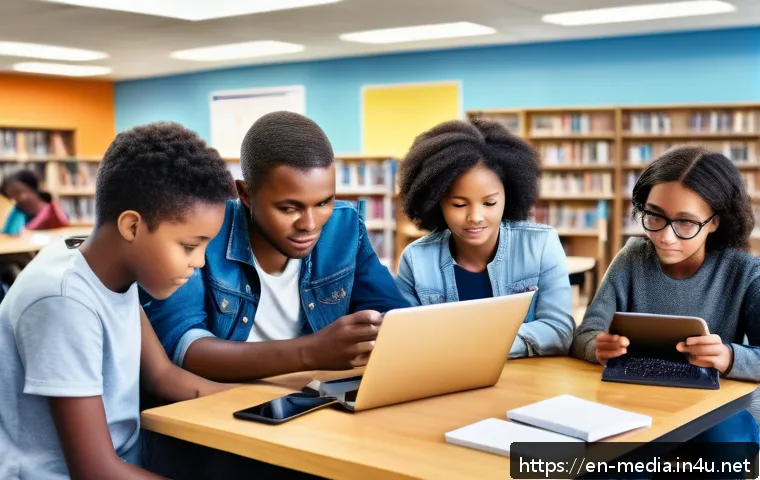
Digital media has opened up exciting opportunities for people to engage with democracy beyond just voting. From online petitions to virtual town halls, I’ve personally joined campaigns that wouldn’t have been accessible otherwise.
These tools can lower barriers to participation, especially for younger generations or those with mobility challenges. The immediacy of online engagement allows citizens to respond swiftly to issues, hold leaders accountable, and connect with like-minded individuals.
This shift has revitalized interest in democratic processes and encouraged more continuous involvement.
The Risk of Slacktivism
However, not all online participation translates into meaningful action. The term “slacktivism” captures the phenomenon where people feel they’ve contributed by liking or sharing content, but don’t follow through with real-world efforts.
I’ve witnessed this gap in several campaigns, where enthusiasm online didn’t result in sustained pressure or change. While digital engagement is valuable, it can sometimes create a false sense of accomplishment that undermines deeper commitment.
Encouraging a blend of online and offline activism is crucial for effective democratic participation.
Bridging the Digital Divide
Access to digital tools remains uneven across socioeconomic and geographic lines, impacting who can engage fully in democratic discourse. From my experience working with community groups, I’ve seen how lack of reliable internet or digital literacy can exclude people from conversations shaping their lives.
Addressing this divide is essential to ensure that democracy is inclusive and representative. Efforts to expand broadband access, provide affordable devices, and offer training programs are steps in the right direction but require sustained investment and political will.
Accountability and Transparency in the Age of Instant News
The Pressure for Speed vs. Accuracy
News cycles have accelerated dramatically with digital media, pushing journalists and outlets to publish rapidly. I’ve noticed that this pressure can sometimes lead to errors or incomplete reporting, which then complicates public understanding.
The race to be first often overshadows the need to be right, and corrections may not reach as wide an audience as the initial misinformation. This dynamic challenges the foundational democratic principle that citizens deserve accurate information to make informed choices.
The Role of Fact-Checking Organizations
Fact-checkers have emerged as critical players in maintaining media integrity by scrutinizing claims and holding sources accountable. From following several fact-checking sites, I appreciate how they clarify complex issues and debunk falsehoods in accessible ways.
Their work supports democracy by promoting truthfulness and helping citizens navigate conflicting narratives. Still, fact-checkers face skepticism and sometimes hostility, especially when their findings challenge popular beliefs.
Supporting and amplifying their efforts is essential in today’s media ecosystem.
Promoting Ethical Journalism Standards
Ethical journalism, grounded in fairness, transparency, and responsibility, remains a pillar of democratic media. I’ve observed that news organizations committed to these principles tend to foster greater trust among audiences, even when reporting difficult or controversial topics.
Upholding standards such as verifying sources, avoiding conflicts of interest, and clearly labeling opinion content helps maintain the credibility of the press.
Encouraging media literacy among consumers also reinforces the demand for ethical journalism, creating a virtuous cycle that benefits democracy.
Comparing Media Influence Across Democracies
Varied Media Models and Their Effects
Different countries adopt distinct approaches to media regulation, ownership, and freedom, which shape how democracy functions locally. For example, some European nations maintain strong public broadcasters that emphasize impartiality, while others rely heavily on commercial media with less oversight.
From my research and conversations with peers abroad, these differences influence public trust and political engagement. Understanding these models offers valuable lessons on balancing media independence with accountability.
Challenges in Emerging Democracies
In newer or fragile democracies, media often faces additional hurdles such as censorship, intimidation, or lack of resources. I’ve seen reports highlighting journalists working under threat, which severely limits the press’s ability to act as a watchdog.
These conditions undermine democratic development and citizen empowerment. International support for press freedom and capacity-building initiatives can help protect media’s role in these contexts and strengthen democratic institutions.
Global Trends Shaping Local Media Landscapes
Globalization and technological advances mean media trends in one region quickly influence others. From my observations, the spread of digital platforms and the challenges of misinformation are nearly universal, though local contexts vary widely.
This interconnectedness calls for collaborative approaches to media policy, fact-checking, and digital literacy that transcend borders. Democracies worldwide share the task of adapting to this evolving media environment to safeguard democratic values.
| Media Aspect | Positive Impact | Potential Pitfall |
|---|---|---|
| Social Media | Empowers citizen participation; rapid mobilization | Echo chambers; misinformation spread |
| Traditional Media | Trusted journalism; in-depth reporting | Consolidation limits diversity; sensationalism |
| Content Moderation | Reduces harmful misinformation; fact-checking partnerships | Inconsistent enforcement; censorship concerns |
| Independent Media | Diverse perspectives; accountability | Funding instability; limited reach |
| Digital Engagement | New civic participation channels; inclusivity | Slacktivism; digital divide |
In Conclusion
The evolving media landscape presents both exciting opportunities and complex challenges for public discourse and democracy. While digital platforms amplify voices and participation, they also demand greater media literacy and critical engagement. Balancing speed with accuracy and fostering diverse, independent voices remain essential to maintaining a healthy democratic environment. Ultimately, staying informed and involved empowers us all to shape a more transparent and accountable media future.
Useful Information to Keep in Mind
1. Social media enables rapid mobilization but requires careful navigation to avoid misinformation and echo chambers.
2. Traditional media continues to provide trusted, in-depth reporting, though consolidation and sensationalism pose risks.
3. Content moderation strives to reduce harmful information but must balance free speech and consistent enforcement.
4. Independent media enriches public discourse with diverse perspectives but often faces financial challenges.
5. Digital engagement opens new civic participation opportunities, yet overcoming slacktivism and the digital divide is crucial.
Key Takeaways
The modern media environment demands vigilance and active participation from citizens to ensure democratic integrity. Critical media literacy, support for ethical journalism, and awareness of ownership and funding influences are vital for discerning truth and fostering accountability. Embracing both online and offline civic involvement strengthens democratic processes, while bridging access gaps helps create an inclusive public sphere. By understanding these dynamics, we can better navigate the complexities of today’s information age and contribute meaningfully to public discourse.
Frequently Asked Questions (FAQ) 📖
Q: uestionsQ1: How does social media impact democratic participation?
A: Social media has transformed democratic participation by making information more accessible and enabling direct communication between citizens and leaders.
From my experience, platforms like Twitter and Facebook can mobilize voters quickly and foster community engagement. However, this immediacy also sometimes leads to echo chambers where people only see views similar to their own, which can polarize opinions rather than encouraging open dialogue.
Q: What role does misinformation play in challenging democracy?
A: Misinformation poses a significant threat to democracy because it distorts facts and confuses voters. I’ve noticed that when false information spreads rapidly, it undermines trust in institutions and the media itself.
Combating misinformation requires media literacy, fact-checking, and responsible platform policies. Without these, citizens may make decisions based on inaccurate or misleading content, weakening democratic processes.
Q: Can media be both a unifying force and a source of division in democracy?
A: Absolutely. Media acts as a double-edged sword—it can bring people together by highlighting shared values and important issues, yet it can also deepen divisions by amplifying extreme viewpoints.
In my observation, balanced journalism and inclusive conversations tend to unite communities, while sensationalism and biased reporting often fuel conflict.
The challenge lies in promoting media that supports constructive engagement rather than fragmentation.