Social media has fundamentally reshaped the political landscape, acting as a double-edged sword. On one hand, it empowers grassroots movements and enables instant communication between politicians and constituents.
But on the other, it can become a breeding ground for misinformation and echo chambers, polarizing opinions and potentially manipulating elections. The constant barrage of information, often unfiltered and emotionally charged, can overwhelm individuals and hinder thoughtful discourse.
Let’s delve deeper into this fascinating topic in the article below.
Navigating the Murky Waters of Online Political DiscourseThe digital age has democratized information, but it’s also muddied the waters. It’s like everyone suddenly has a megaphone, and while some are using it to amplify important messages, others are just shouting nonsense – or worse, deliberately misleading information.
I’ve personally witnessed how quickly a well-intentioned online discussion can devolve into a shouting match, fueled by misinformation and personal attacks.
It’s disheartening, but understanding the dynamics at play is the first step towards navigating this complex landscape.
The Echo Chamber Effect: How Social Media Reinforces Existing Beliefs
Social media algorithms are designed to show us content we’re likely to engage with. Sounds harmless enough, right? But the problem is, this often leads to us being trapped in “echo chambers,” where we’re primarily exposed to information that confirms our existing beliefs.
It’s like living in a house where everyone agrees with you all the time – it feels good, but it doesn’t exactly broaden your horizons.
1. The Algorithm’s Role in Filtering Information
These algorithms aren’t inherently malicious, but they can have unintended consequences. They prioritize engagement, which often means showing us content that evokes strong emotions, whether positive or negative.
This can create a distorted view of reality, where we overestimate the prevalence of certain opinions and underestimate the diversity of perspectives.
I’ve seen firsthand how this can lead people to believe that their views are more widely shared than they actually are, making them more resistant to considering alternative viewpoints.
2. The Psychology of Confirmation Bias
Confirmation bias is our tendency to seek out information that confirms our pre-existing beliefs and to dismiss information that contradicts them. Social media algorithms exacerbate this bias by feeding us a steady diet of content that aligns with our worldview.
It’s like only reading news articles from sources that you already agree with – you’re reinforcing your existing beliefs rather than challenging them.
This can lead to increased polarization, as people become more entrenched in their own ideological bubbles. I’ve been guilty of this myself, sometimes scrolling past articles that challenge my perspective, even when I know I should be engaging with them.
3. Breaking Free from the Echo Chamber
Actively seeking out diverse perspectives is crucial. Follow people with different political views, read news sources from across the ideological spectrum, and engage in respectful discussions with those who hold opposing beliefs.
It won’t always be comfortable, but it’s essential for developing a more nuanced understanding of the world.
The Spread of Misinformation: A Threat to Informed Decision-Making
The speed and reach of social media make it an ideal platform for the rapid dissemination of misinformation. False or misleading information can spread like wildfire, especially when it’s emotionally charged or confirms existing biases.
This can have serious consequences, particularly in the political arena, where it can influence public opinion and even sway elections. I remember during the last election cycle, I saw so many obviously fake news articles being shared on social media.
It was alarming how easily people were willing to believe these stories, simply because they confirmed their pre-existing biases.
1. The Anatomy of a Fake News Story
Fake news stories often mimic the appearance of legitimate news articles, making it difficult for people to distinguish between fact and fiction. They may use sensational headlines, fabricated quotes, and doctored images to grab attention and spread quickly.
They often target specific demographics or communities, exploiting existing grievances and anxieties to further their agenda.
2. The Role of Bots and Trolls
Automated bots and malicious trolls play a significant role in spreading misinformation on social media. Bots can amplify the reach of fake news stories by automatically sharing them with large numbers of people.
Trolls deliberately sow discord and spread misinformation to disrupt online discussions and undermine trust in legitimate sources of information. It’s like trying to have a serious conversation in a room full of people who are deliberately trying to derail the discussion.
3. Strategies for Spotting Misinformation
Be skeptical of headlines that seem too good to be true, check the source of the information, and look for evidence to support the claims being made. Fact-checking websites like Snopes and PolitiFact can be valuable resources for verifying the accuracy of information.
And most importantly, before sharing anything, take a moment to consider whether it’s credible and whether you’re contributing to the spread of misinformation.
Political Polarization: The Widening Divide in Online Discourse
Social media has contributed to increasing political polarization, as people become more entrenched in their own ideological camps and less willing to engage with those who hold opposing views.
This can lead to a breakdown in civil discourse, making it difficult to find common ground and address important issues. I’ve noticed this trend in my own social media feeds, where people seem more interested in attacking those they disagree with than in engaging in constructive dialogue.
1. The Impact of Online Anonymity
The anonymity afforded by social media can embolden people to say things they would never say in person. This can lead to more aggressive and hostile online interactions, further fueling political polarization.
It’s like people feel like they can get away with anything when they’re hiding behind a screen.
2. The Role of Outrage Culture
Social media often rewards outrage, as content that evokes strong emotions tends to get more attention. This can create a toxic online environment, where people are constantly looking for reasons to be offended and quick to condemn those who express unpopular opinions.
It’s like everyone is walking on eggshells, afraid of saying the wrong thing and triggering a social media firestorm.
3. Building Bridges Across the Divide
Engaging in respectful dialogue with those who hold opposing views is essential for bridging the political divide. Listen to understand, rather than to argue, and look for common ground wherever possible.
Remember that people are more than just their political views, and that building relationships can help to break down stereotypes and foster greater understanding.
Social Media as a Tool for Political Mobilization and Activism
Despite the challenges, social media can also be a powerful tool for political mobilization and activism. It allows ordinary people to organize and advocate for change, bypassing traditional media outlets and reaching a wider audience.
I’ve seen firsthand how social media can be used to raise awareness about important issues and mobilize people to take action.
1. The Power of Hashtags and Online Movements
Hashtags can be used to connect people with shared interests and create online movements around specific issues. These movements can raise awareness, mobilize support, and put pressure on policymakers to take action.
It’s like creating a virtual community of people who are passionate about the same things.
2. Crowdfunding and Online Fundraising
Social media platforms make it easy to raise money for political campaigns and charitable causes. Crowdfunding allows ordinary people to contribute small amounts of money to support the causes they believe in.
It’s like democratizing fundraising, giving ordinary people a voice in the political process.
3. Holding Politicians Accountable
Social media can be used to hold politicians accountable for their actions and statements. Citizens can use social media to document and share evidence of wrongdoing, putting pressure on politicians to respond to public concerns.
It’s like giving the public a direct line to their elected officials, allowing them to hold them accountable for their promises.
The Future of Social Media and Politics: Navigating the Challenges and Opportunities
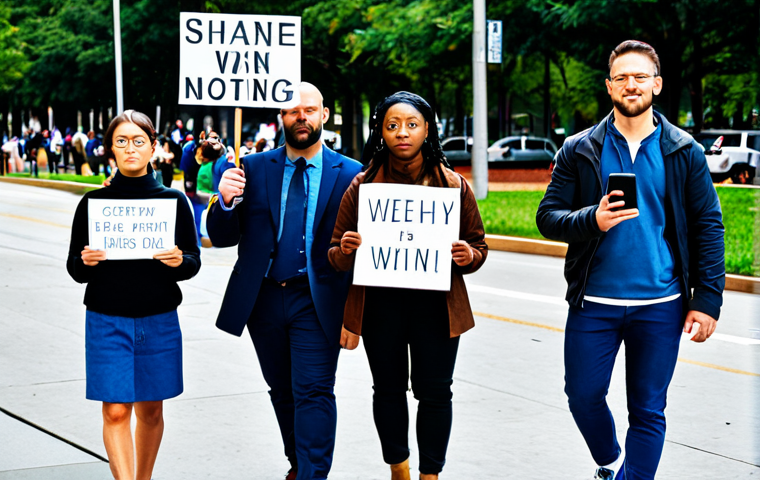
The relationship between social media and politics is constantly evolving. As technology advances and social media platforms continue to evolve, it’s crucial to be aware of both the challenges and opportunities that lie ahead.
This requires critical thinking, media literacy, and a commitment to responsible online behavior. I believe that we can harness the power of social media for good, but only if we’re willing to address the challenges and work together to create a more informed and civil online environment.
1. The Need for Media Literacy Education
Media literacy education is essential for helping people to distinguish between credible and unreliable sources of information. This includes teaching people how to identify fake news stories, evaluate the credibility of sources, and understand the biases that can influence online content.
It’s like giving people the tools they need to navigate the complex online world.
2. The Importance of Responsible Online Behavior
Being mindful of the impact of our online actions and avoiding the spread of misinformation are crucial. This includes being respectful of others, even when we disagree with them, and avoiding personal attacks and inflammatory language.
It’s like treating the online world with the same respect and consideration that we would treat the offline world.
3. The Role of Social Media Platforms
Social media platforms have a responsibility to address the spread of misinformation and promote responsible online behavior. This includes implementing policies to identify and remove fake news stories, promoting media literacy education, and creating tools to help people engage in respectful dialogue.
It’s like social media platforms are the gatekeepers of the online world, and they need to take responsibility for the content that flows through their platforms.
Regulation vs. Freedom of Speech: Striking the Right Balance
One of the most debated aspects of social media and its impact on politics revolves around the question of regulation. How do we balance the need to combat misinformation and protect democratic processes with the fundamental right to freedom of speech?
It’s a complex issue with no easy answers, and finding the right balance is essential to preserving both our democratic values and the integrity of online discourse.
Personally, I believe the answer lies in promoting transparency and empowering users with the tools to make informed decisions, rather than resorting to outright censorship.
1. The Argument for Increased Regulation
Proponents of increased regulation argue that social media platforms have become too powerful and are failing to adequately address the spread of misinformation and hate speech.
They believe that governments need to step in to regulate these platforms and hold them accountable for the content that appears on their sites. It’s like arguing that the government needs to regulate the food industry to ensure that food is safe and healthy.
2. The Concerns About Censorship and Bias
Opponents of increased regulation argue that it could lead to censorship and stifle freedom of speech. They worry that governments could use regulation to silence dissenting voices and promote their own agendas.
They also argue that it’s difficult to regulate social media platforms without creating unintended consequences, such as stifling innovation and limiting access to information.
3. Exploring Alternative Solutions
Focus on promoting media literacy, empowering users to make informed decisions, and increasing transparency. Develop algorithms that prioritize accurate information, allow users to easily report misinformation, and provide tools for fact-checking.
The solution lies in empowering users to make informed decisions, rather than resorting to censorship or heavy-handed regulation.
The Impact on Political Campaigns and Voter Engagement
Social media has fundamentally changed the way political campaigns are run and the way voters engage with candidates and issues. It has created new opportunities for candidates to connect with voters directly, bypassing traditional media outlets and building grassroots support.
But it has also created new challenges, such as the need to manage online reputations and combat misinformation.
1. Micro-Targeting and Data-Driven Campaigns
Political campaigns now rely heavily on data analytics and micro-targeting to reach specific groups of voters with tailored messages. This allows campaigns to target voters with messages that are most likely to resonate with them, increasing their chances of winning elections.
However, it also raises concerns about privacy and the potential for manipulation.
2. The Rise of Influencer Marketing in Politics
Influencer marketing has become a popular strategy in political campaigns, as candidates seek to reach voters through trusted online personalities. Influencers can use their platforms to promote candidates and issues, reaching a wide audience with authentic and engaging content.
However, it also raises concerns about transparency and the potential for undisclosed endorsements.
3. Empowering Voters Through Online Engagement
Social media can empower voters by giving them access to information, connecting them with candidates and issues, and allowing them to participate in online discussions.
This can lead to greater voter engagement and a more informed electorate. However, it also requires voters to be critical consumers of information and to engage in responsible online behavior.
| Category | Positive Impact | Negative Impact |
|---|---|---|
| Information Dissemination | Rapid and widespread sharing of information, breaking news | Spread of misinformation, fake news, and propaganda |
| Political Mobilization | Facilitates grassroots movements, rallies, and protests | Polarization, echo chambers, and online harassment |
| Voter Engagement | Connects voters with candidates, promotes civic participation | Manipulation through targeted ads, privacy concerns |
| Accountability | Holds politicians accountable, exposes corruption | Online vigilantism, doxing, and cyberbullying |
In conclusion, social media’s impact on the political sphere is complex and multi-faceted. It presents both opportunities and challenges that require careful consideration and proactive measures.
By understanding the dynamics at play, promoting media literacy, and fostering responsible online behavior, we can harness the power of social media for good and mitigate its potential harms.
It’s up to each of us to play our part in creating a more informed, civil, and democratic online environment. Navigating the turbulent waters of online political discourse is no easy feat.
It demands a blend of skepticism, media literacy, and a commitment to respectful engagement. Social media, for all its potential for good, can also be a breeding ground for misinformation and polarization.
By understanding these dynamics and actively seeking out diverse perspectives, we can contribute to a more informed and civil online environment. It’s a challenge, but one worth embracing to safeguard our democratic values in the digital age.
Concluding Thoughts
In essence, navigating the digital political landscape requires a mindful approach. We must be vigilant against misinformation, empathetic in our interactions, and committed to seeking out diverse viewpoints. Only then can we harness the power of social media for positive change and safeguard the integrity of our democratic processes.
It’s a collective responsibility, urging each of us to become critical consumers of information and engaged participants in constructive dialogue.
By doing so, we can foster a more informed and civil online environment where diverse perspectives are valued and respected.
Let’s embrace this challenge and work together to build a digital space that reflects our shared commitment to truth, understanding, and progress.
Helpful Resources
1. Snopes: A go-to fact-checking website that investigates the accuracy of claims and rumors circulating online. It’s a reliable source for debunking misinformation and verifying the truth behind viral content.
2. AllSides: This website presents news stories from the left, center, and right, allowing you to see how different media outlets are covering the same event. It’s a great tool for breaking out of your echo chamber and gaining a more balanced perspective.
3. Media Bias/Fact Check: A comprehensive resource that rates the bias and factual accuracy of news sources. It provides detailed analyses of media outlets, helping you to identify potential biases and make informed decisions about the information you consume.
4. Pew Research Center: Conducts research on a wide range of social and political issues, providing valuable insights into public opinion and demographic trends. Their data-driven reports are a reliable source for understanding complex issues.
5. The News Literacy Project: Offers resources and programs to help people develop critical thinking skills and become more discerning consumers of news and information. Their website features articles, videos, and interactive exercises designed to enhance media literacy.
Key Takeaways
* Be Skeptical: Always question the information you encounter online, especially if it seems too good to be true or confirms your existing biases.
* Seek Diverse Perspectives: Actively seek out news sources and viewpoints that challenge your own beliefs. This will help you to develop a more nuanced understanding of complex issues.
* Verify Information: Before sharing anything online, take the time to verify its accuracy. Use fact-checking websites and consult multiple sources to ensure that you’re not contributing to the spread of misinformation.
* Engage Respectfully: When engaging in online discussions, be respectful of others, even when you disagree with them. Avoid personal attacks and inflammatory language, and focus on constructive dialogue.
* Promote Media Literacy: Help others develop their media literacy skills by sharing resources and encouraging them to be critical consumers of information.
Frequently Asked Questions (FAQ) 📖
Q: How has social media changed political campaigns, specifically in reaching younger voters?
A: From what I’ve seen, social media has completely revolutionized how political campaigns target younger voters. Forget door-to-door canvassing – it’s all about TikTok dances, engaging Instagram stories, and cleverly worded tweets.
I remember seeing Bernie Sanders’ campaign in 2016 really nail this, using memes and online forums to connect with young people on their terms. It felt like politics was finally entering our world, instead of the other way around.
But it’s a double-edged sword, you know? While it’s easier to reach a wider audience, the authenticity and depth of connection can sometimes feel… manufactured.
Like they’re just trying too hard.
Q: What are the biggest dangers of echo chambers on social media in relation to political discourse?
A: Echo chambers are a HUGE problem. Think of it like this: you only hang out with people who agree with you, read articles that confirm your biases, and basically live in a bubble of shared opinions.
On social media, algorithms amplify this, feeding you content that aligns with your existing beliefs. The danger is that you become completely disconnected from other viewpoints, making it harder to empathize with or even understand people who hold different opinions.
I’ve seen it firsthand among my own friends. Political disagreements that used to be respectful debates have devolved into shouting matches because everyone’s so entrenched in their own “truth.” It’s scary how easily people can get radicalized in those online echo chambers.
Q: Can social media truly be used to manipulate elections, and if so, what are some ways this can happen?
A: Absolutely, social media can be weaponized to manipulate elections. I mean, look at the Cambridge Analytica scandal! The idea that targeted ads and fake news could influence people’s voting behavior is terrifying, and I don’t think we’ve fully grasped the extent of the problem yet.
I even saw a local election swayed when someone spread a completely fabricated story about a candidate through a Facebook group. The story went viral before anyone could debunk it, and the candidate lost.
And it’s not just about spreading outright lies. It’s about subtly shaping perceptions, exploiting emotional vulnerabilities, and creating a climate of distrust.
It’s a complex problem, and frankly, I’m not sure we have all the answers on how to combat it.
📚 References
Wikipedia Encyclopedia
구글 검색 결과
구글 검색 결과
구글 검색 결과
구글 검색 결과
구글 검색 결과