Hey everyone! As someone who’s personally spent countless hours diving deep into the fascinating, ever-evolving world of media, I can confidently say there’s never been a more crucial or exhilarating time to understand its intricate workings.
From the lightning-fast emergence of AI-powered content creation and the complex ethical dilemmas it brings, to the incredible influence of global streaming platforms and the ongoing battles against misinformation, media isn’t just something we consume; it’s the very air we breathe, shaping our perspectives and realities every single day.
I remember when I first started out, the idea of personalized news feeds felt futuristic, and now we’re grappling with deepfakes that challenge our very concept of truth.
This isn’t just about theories from textbooks; it’s about dissecting the real-world impact of TikTok algorithms on culture, understanding the economic shifts in the creator economy, and peering into the future of augmented reality experiences.
This journey will equip you not just with knowledge, but with the critical lens needed to navigate and even influence tomorrow’s media landscape. Let’s accurately explore what this dynamic field truly holds for us!
The Shifting Sands of Content Creation: AI’s Dual-Edged Sword
It feels like just yesterday we were marveling at algorithms personalizing our news feeds, and now, we’re deep into a landscape where AI isn’t just suggesting content, it’s *creating* it.
I’ve personally spent countless hours experimenting with these new tools, and the sheer pace of innovation is breathtaking. What I’ve found is that AI in content creation in 2025 is no longer a futuristic concept; it’s a fundamental part of the industry, with marketers overwhelmingly using it for everything from email newsletters and social media posts to full-blown blog articles and SEO optimization.
We’re talking about tools that can whip up drafts, headlines, and outlines in mere seconds, allowing us, the human creators, to focus on the bigger picture – the strategy, the emotional connection, the unique voice that only a person can bring.
It’s a powerful assistant, for sure, freeing up time from repetitive tasks and allowing us to scale production in ways that were unimaginable just a few years ago.
However, it’s not all sunshine and automated brilliance; there’s a delicate balance to strike, and I’ve certainly encountered moments where the ‘human touch’ became more critical than ever to ensure authenticity and originality.
The Rise of Generative AI and Hyper-Personalization
Generative AI is truly rewriting the rules, crafting original text, images, and even videos from simple prompts. I remember when DALL-E and Midjourney first emerged, and it felt like magic to see visuals conjured from thin air.
Now, platforms like ChatGPT, Jasper, and Google Gemini are producing articles and scripts with a fluency that can almost pass for human. This capability extends to hyper-personalization, where AI analyzes vast datasets to understand individual preferences and behaviors, then tailors content so precisely that it feels like it was made just for you.
This isn’t just about showing you an ad for something you searched for; it’s about anticipating your needs and delivering content proactively, which, from my experience, significantly boosts engagement and satisfaction.
The benefits for marketers are clear: massive time savings, consistent brand messaging, and the ability to connect with audiences on a much deeper level.
Navigating the Ethical Minefield of AI Content
While AI offers incredible efficiency, it also throws up some sticky ethical questions that we simply can’t ignore. I’ve heard the concerns firsthand: how do we ensure originality when AI can inadvertently mimic existing works?
What about the potential for routine writing roles to evolve, requiring constant upskilling for content professionals? There’s a growing demand from audiences, and one I wholeheartedly support, for clear disclosure when content is AI-generated.
This is where the human element becomes indispensable – not just for quality assurance, but for upholding integrity and trust. The future, as I see it, isn’t about AI replacing human creativity, but rather about a powerful collaboration, where AI handles the data-heavy tasks, allowing us humans to lean into the strategic, emotional, and authentic storytelling that truly makes content resonate.
It’s a journey, and we’re all learning as we go.
Navigating the Echo Chambers: Misinformation and Trust in the Digital Age
If there’s one thing that keeps me up at night about the media landscape, it’s the insidious spread of misinformation. It feels like every day brings a new challenge, and honestly, it’s a global crisis that’s only getting more complex.
The World Economic Forum’s Global Risks Report for 2025 highlighted misinformation and disinformation as the most critical challenge to political cohesion and societal trust.
I remember vividly when certain false narratives gained traction during major events, and the impact was truly unsettling. We’re living in a world where social media platforms, for all their democratizing potential, have also become fertile ground for false narratives to take root and spread like wildfire.
It’s a scary thought when you realize how easily algorithms can create “filter bubbles” and echo chambers, constantly reinforcing our existing beliefs and making it harder to discern truth from fiction.
The Role of AI in Spreading and Fighting Misinformation
This is where AI becomes a double-edged sword, yet again. On one hand, generative AI is a major driver of low-quality content and disinformation, making it dramatically easier for bad actors to rapidly produce misleading articles, images, and even deepfake videos that are incredibly hard to distinguish from reality.
I’ve seen some of these deepfakes, and they are unnervingly convincing. This proliferation of AI-generated content can significantly erode public trust in media, making everyone question what’s real.
On the other hand, AI also offers powerful tools for detection and verification. Automated fact-checking systems are becoming more sophisticated, designed to flag false information.
However, it’s a constant arms race; as detection methods improve, malicious agents find new ways to bypass them with advanced deepfakes and AI-driven bots that can overwhelm content moderation efforts.
It’s like playing whack-a-mole, but with global implications.
Rebuilding Trust: Transparency and Media Literacy
The implications of unchecked misinformation are far-reaching, from polarizing public opinion and manipulating electoral processes to undermining democratic institutions and damaging brand reputations.
As a content creator, this hits close to home because our credibility is everything. The solution, in my opinion, lies not just in technological advancements but in fostering greater transparency from platforms and promoting widespread media literacy among users.
We need stronger measures from social media companies to prevent misuse and protect users. Moreover, it’s crucial for us, as consumers, to develop a critical eye, to question sources, and to seek out diverse perspectives.
I often tell people that active discernment is our best defense in this digital age. The industry also needs to develop clear standards and guidelines around AI-generated content, pushing for disclosure and prioritizing human oversight to maintain authenticity and trust.
Beyond the Screen: Immersive Experiences and the Metaverse Frontier
Remember when watching a movie on a big screen felt like true immersion? Well, hold onto your hats, because that’s just the tip of the iceberg now. We’re on the cusp of a complete revolution in how we experience digital content, and it’s incredibly exciting.
I’ve been following the developments in virtual reality (VR), augmented reality (AR), and mixed reality (MR) for years, and it’s truly mind-blowing how these technologies are blending our physical and digital worlds.
We’re talking about experiences that engage users so deeply, they feel like they’re actually *inside* the content. It’s not just about entertainment; it’s transforming education, marketing, and even healthcare, offering unique and memorable experiences that traditional media just can’t replicate.
Virtual Worlds and Augmented Realities
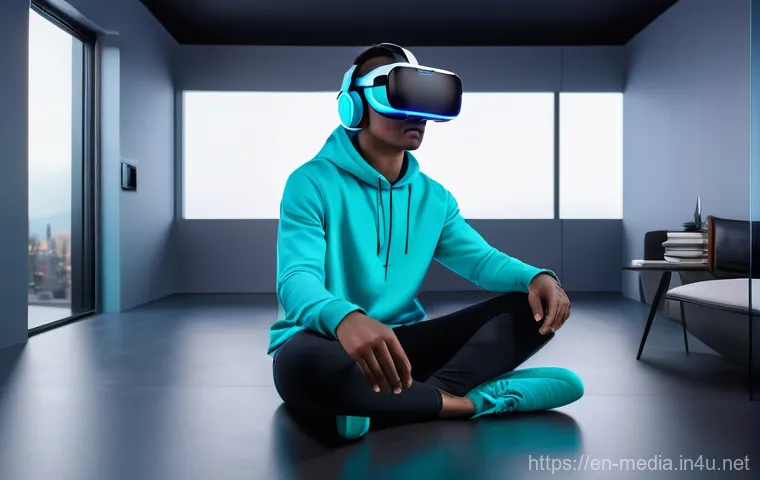
VR, with its fully virtual environments accessed through headsets, is no longer just for hardcore gamers; it’s taking center stage in everything from virtual concerts to corporate training.
I recently tried one of the latest standalone headsets, and the sense of presence, the feeling of genuinely being somewhere else, was truly remarkable.
And then there’s AR, which overlays digital information onto our real world, often through smartphones or smart glasses. Imagine walking down a street and seeing digital historical information pop up over buildings, or virtually trying on clothes before you buy them.
These immersive technologies are constantly evolving, with advancements in device affordability, user-friendliness, and faster internet connections pushing them further into our daily lives.
From what I’ve seen, the focus is increasingly on seamless integration, making these experiences feel as natural as looking around a room.
The Promise of Interactive and Multi-Sensory Storytelling
What really captivates me is the potential for interactive storytelling within these immersive spaces. It’s no longer a passive consumption experience; we, the audience, are becoming active participants, shaping narratives through our choices.
I remember playing early choose-your-own-adventure games, and now, with AI, these stories can adapt in real-time to user decisions, making the experience feel incredibly personalized and authentic.
It’s about combining traditional narrative elements with cutting-edge tech to create compelling, engaging content that truly resonates. Looking ahead, we can expect even more sensory modalities – haptics (the sense of touch) and even smell – to be integrated, making these virtual interactions even more realistic.
Imagine feeling the rumble of a virtual concert or smelling the ocean breeze in a VR travel experience. The global immersive entertainment market is projected to reach over $442 billion by 2030, a clear indicator of just how transformative this field is becoming.
The Creator Economy Unpacked: From Passion to Profit
The creator economy isn’t just a buzzword; it’s a massive, thriving ecosystem that has fundamentally reshaped how people earn a living and how brands connect with audiences.
I’ve personally watched countless individuals turn their passions into incredibly successful ventures, and it’s inspiring to see. Gone are the days when you needed a huge media conglomerate to share your voice; now, anyone with a camera, a unique perspective, and a strong internet connection can build an audience and a business.
This isn’t just about fleeting viral moments anymore; it’s about building sustainable brands and even media empires, as exemplified by creators like MrBeast, who has branched out into fast-food chains and snack brands.
The industry is growing, evolving, and redefining digital marketing as we know it.
From Influencers to Entrepreneurs
What I find particularly fascinating is the shift from simply “influencing” to truly building intellectual property. More and more TikTokers, YouTubers, and Instagrammers are launching their own product lines, merchandise, and even subscription platforms.
This creator-driven IP is set to be a major trend, allowing creators to monetize their reach far beyond traditional sponsored content. It’s about becoming a brand in yourself, leveraging that deep connection with your audience to build something tangible and lasting.
From my perspective, this trend reflects a desire for greater autonomy and control, a natural evolution for individuals who have cultivated loyal communities.
The boundaries between human and machine are also blurring here, with AI assisting creators in everything from content generation and smart editing to data-driven content strategies.
This allows for unparalleled precision in tailoring content to specific target groups, driving both efficiency and deeper engagement.
The Power of Niche Communities and Micro-Creators
While mega-creators still have their place, I’ve noticed a significant shift towards the rise of micro- and nano-influencers. These creators, often with 10k to 50k followers (micro) or even fewer (nano), excel at building trust and fostering deeper, more authentic connections within their niche communities.
It’s a testament to the idea that sometimes, quality of engagement trumps sheer quantity of followers. Algorithms on platforms like TikTok are even designed to push these smaller creators into our feeds, encouraging more content creation and platform use by valuing creativity, relevance, and engagement over follower count.
This means that for brands, building a diverse group of advocates through these smaller creators can lead to more impactful, community-led marketing. It’s about finding those genuine connections, those shared passion points, which I’ve found to be far more effective in today’s crowded digital space.
| Aspect | Traditional Media Roles | Creator Economy Roles |
|---|---|---|
| Primary Goal | Mass audience reach, ad revenue, news dissemination | Community building, direct monetization, brand partnerships |
| Content Creation | Large teams, formal production studios, lengthy cycles | Individual or small teams, agile production, authentic style |
| Monetization | Advertising, subscriptions, licensing, box office | Brand deals, merchandise, direct fan support (Patreon), own products, ad revenue |
| Audience Relationship | One-to-many, often transactional | Interactive, personal, community-driven, often parasocial |
| Success Metrics | Ratings, circulation, viewership, awards | Engagement rate, subscriber growth, community sentiment, direct sales, long-term loyalty |
Global Reach, Local Impact: How Streaming Reshapes Culture
It’s truly incredible to think about how much global streaming services have changed our world. I remember when getting access to foreign films or TV shows was a huge deal, often involving specialty stores or obscure satellite channels.
Now, platforms like Netflix, Amazon Prime, and Disney+ have flung open the doors, creating a truly interconnected cultural tapestry. This isn’t just about entertainment anymore; it’s about a profound cultural transformation, altering not only how we consume content but also influencing national cultures and their international perceptions.
I’ve personally seen how shows like *Squid Game* from South Korea or *Money Heist* from Spain have captivated audiences worldwide, demonstrating that localized narratives can find universal appeal and amplify their cultural origins.
The Rise of Cross-Cultural Exchange
Streaming platforms act as powerful gateways, offering us windows into worlds we might never otherwise encounter. This cultural cross-pollination is fascinating to observe.
Think about the massive impact K-dramas have had on Korean skincare and fashion, with entire product lines now dedicated to “TV-inspired” aesthetics. I’ve even seen how series like *Emily in Paris* spurred demand for French fashion items in other countries.
This phenomenon extends beyond fashion and food, touching upon language and lifestyle habits, showcasing how deeply global content can influence how we live.
By investing heavily in local content, these platforms are not just distributing media; they’re actively shaping and bridging cultural gaps, creating a more diverse and interconnected global culture.
Balancing Global Appeal with Local Identity
However, this global influx of content isn’t without its complexities. I’ve heard many discussions about the potential for cultural homogenization, where algorithms, driven by broad tastes, might overshadow niche or traditional cultural themes.
There’s a valid concern that smaller, regional stories could get lost in the noise. To counter this, many countries are implementing content regulations that require regional representation or offering incentives for creators focusing on local narratives.
It’s a tricky path for global streaming media – remaining universally appealing while deeply connecting with diverse audiences across different cultures and regions.
My personal take is that the most successful platforms will be those that embrace and champion multiculturalism, supporting authentic representation both on and off screen, and investing in local productions that truly reflect the unique voices of each region.
It’s about showing similarities while celebrating differences, and I believe that’s where true cultural wealth lies.
Privacy vs. Personalization: The Data Dilemma We All Face
This is a conversation that feels incredibly personal, because it directly impacts how my content reaches you and how your data is handled. We all love personalized recommendations – that feeling of a platform “just getting” what you want to watch or read next.
But beneath that convenience lies a complex and often uncomfortable truth: our data is being collected, analyzed, and used in ways that many of us don’t fully understand.
As someone deeply entrenched in the digital world, I’ve seen firsthand how fierce the battle is between delivering tailored experiences and safeguarding individual privacy, and honestly, it’s a constant tightrope walk for businesses and creators alike.
High-profile data breaches and privacy scandals have made us all much more aware, and rightly so, of just how important it is to have control over our personal information.
The Evolving Landscape of Data Protection
The digital marketing landscape thrives on data, allowing brands to deliver targeted campaigns with incredible precision. But this precision comes with significant responsibilities, especially with the rise of stricter data privacy regulations like GDPR in Europe and CCPA in California.
I remember when these regulations first came into effect, and the scramble for businesses to adapt was immense. They dictate how companies can collect, store, and utilize customer data, and the penalties for non-compliance can be severe.
Consumers are becoming increasingly savvy about their digital rights, and the expectation for transparency is higher than ever. Frankly, if a company isn’t upfront about its data practices, I, and many others, would be hesitant to engage.
It’s not just a legal necessity anymore; it’s a foundation for trust.
Strategies for Ethical Targeting and Building Trust
So, how do we navigate this? From my perspective, it boils down to a few key principles. First, transparency is non-negotiable.
Businesses need clear, easily accessible privacy policies that explain exactly what data is collected, why it’s collected, and how it’s used. And crucially, they must offer opt-in and opt-out options, giving users real control over their data.
I’ve always advocated for prioritizing first-party data – that’s data collected directly from customers with their explicit consent – and minimizing reliance on third-party sources.
This approach not only reduces privacy risks but also aligns with ethical data minimization principles. Robust data security measures, like encryption and strict access controls, are also paramount to protect sensitive information.
Ultimately, balancing personalization with privacy isn’t just about avoiding fines; it’s about building genuine trust and long-term loyalty with our audiences.
It’s about remembering that behind every data point is a real person.
The Future of Storytelling: Interactive Narratives and New Formats
As a content creator, there’s nothing more exciting to me than imagining new ways to tell stories. For centuries, storytelling has been a largely one-way street: author to reader, filmmaker to audience.
But now, with the incredible advancements in technology, we’re witnessing a revolution where audiences aren’t just consuming stories; they’re stepping *into* them, influencing them, and even helping to create them.
I’ve seen some of the early iterations of this, and the potential for engagement is absolutely mind-boggling. This shift from passive consumption to active participation is changing everything, from journalism to entertainment, and it’s making content more memorable and emotionally resonant than ever before.
Empowering Audiences Through Choice and Immersion
Interactive storytelling is all about giving the audience agency – allowing their choices to influence the direction and outcome of the narrative. Think about it: instead of simply watching a character make a decision, *you* get to make that decision for them.
This creates a deeply personalized and immersive experience that goes far beyond traditional linear narratives. I’ve personally experimented with interactive video formats for some of my content, where viewers can click on hotspots or make choices that branch the storyline.
The feedback has been incredible; people love the feeling of ownership over the narrative. Technologies like VR and AR are pushing this even further, allowing for truly immersive experiences where you can physically explore virtual worlds and interact with digital objects and characters.
The future will bring even greater personalization, with AI leveraging data to tailor narratives based on individual preferences and interactions.
AI and the Evolution of Narrative Design
Artificial intelligence is a true game-changer in how we design and experience these interactive narratives. I’ve been amazed by how AI can enable procedurally generated stories that adapt dynamically to player or viewer decisions.
Imagine characters whose dialogue and actions shift based on your choices in real-time – it adds an incredible layer of realism and unpredictability. AI voice technology is also making characters more lifelike and responsive, further deepening that sense of immersion.
Beyond individual stories, AI can generate dynamic environments and scenarios, making each experience feel fresh and unique. This synergy between AI and immersive technologies isn’t just for big-budget productions; it’s becoming more accessible, empowering even independent creators to experiment with sophisticated interactive elements.
It’s an exciting time to be a storyteller, with new tools constantly emerging that allow us to captivate audiences in ways we never thought possible.
글을 마치며
Whew! What an incredible journey we’ve taken through the ever-evolving landscape of content creation and digital interaction. It’s clear that we’re living through an extraordinary time, where innovation is happening at breakneck speed, reshaping how we connect, learn, and entertain ourselves. From the powerful, albeit sometimes tricky, embrace of AI to the immersive worlds of the metaverse and the dynamic growth of the creator economy, one thing remains constant: the human desire for authentic connection and meaningful stories. My hope is that by staying curious, ethical, and open to new possibilities, we can all navigate these exciting changes and continue to build a richer, more engaging digital future together.
알아두면 쓸모 있는 정보
1. Always prioritize authentic engagement over chasing fleeting trends. While it’s great to be aware of the latest buzz, your audience will always value genuine connection and original insights more than recycled content. Focus on building a community that trusts your voice and values your unique perspective; that’s where true, sustainable growth comes from, and it’s a strategy I’ve seen work wonders time and again in my own journey. People resonate with real stories and sincere passion, so let your true self shine through in everything you create, making every interaction count.
2. Embrace AI as a co-pilot, not a replacement. Tools powered by artificial intelligence are incredibly powerful for streamlining tasks, generating initial ideas, and optimizing content. However, they’re most effective when guided by human creativity, empathy, and critical thinking. Think of AI as an assistant that frees you up to focus on the higher-level strategic and emotional aspects of your content, ensuring that your unique human touch, which no algorithm can replicate, remains at the core of everything you do. This collaboration is where the magic truly happens, blending efficiency with irreplaceable human insight.
3. Actively cultivate digital literacy and discernment. In an age where misinformation can spread like wildfire, it’s more crucial than ever to critically evaluate the information you encounter online and to encourage your audience to do the same. This means checking sources, understanding algorithmic biases, and being wary of sensational headlines. By fostering a culture of informed skepticism, both for yourself and within your community, you not only protect against false narratives but also build a reputation as a trusted, reliable voice in the digital noise.
4. Diversify your content formats and platforms. Don’t put all your eggs in one basket! The digital world is constantly shifting, with new platforms and content types emerging all the time. Experiment with interactive elements, short-form video, podcasts, and even immersive experiences to reach different segments of your audience and keep your content fresh and engaging. What works well on Instagram might need a different approach for YouTube or a blog post, so adapt your storytelling to suit each medium and keep your audience surprised and delighted by your versatility.
5. Never underestimate the power of direct audience feedback. Your community is your most valuable asset. Pay close attention to comments, messages, and engagement metrics to understand what resonates with them, what questions they have, and how you can better serve their needs. This isn’t just about analytics; it’s about genuine conversation. Engaging directly, asking for their input, and genuinely listening to their responses not only helps you refine your content strategy but also strengthens the bond you share, transforming followers into loyal advocates and a true community.
중요 사항 정리
The digital landscape is a vibrant, ever-changing frontier, brimming with both incredible opportunities and complex challenges. As content creators and consumers, understanding the dual nature of emerging technologies like AI is paramount; it offers unprecedented efficiency and personalization while simultaneously demanding a heightened sense of ethical responsibility, vigilance against misinformation, and a commitment to transparency. The rise of immersive experiences, the empowering evolution of the creator economy, and the global interconnectedness fostered by streaming platforms all underscore a fundamental truth: human connection, authentic storytelling, and unwavering trust remain the most valuable currencies. To thrive, we must champion media literacy, safeguard privacy through ethical data practices, and continuously adapt our approaches to storytelling, ensuring that our content is not just consumed, but genuinely felt and remembered. The future of content isn’t just about what we create, but how we foster meaningful engagement and build a more informed, connected, and empathetic digital world for everyone.
Frequently Asked Questions (FAQ) 📖
Q: How is artificial intelligence fundamentally reshaping the way we create and consume media, and what fresh ethical dilemmas are popping up because of it?
A: Oh, AI! It’s like a massive, unstoppable wave crashing over the media landscape, isn’t it? From where I’m sitting, having watched this space evolve for years, AI is completely revolutionizing content creation by speeding up processes we once thought impossible.
Think about it: AI can now draft articles, generate stunning visuals, even compose music in mere moments. For creators, this means we can churn out content faster, personalize it for different audiences with incredible precision, and automate repetitive tasks, freeing us up to focus on the truly creative, human-centric stuff.
It’s like having an army of tireless assistants at your fingertips. But here’s the kicker – with all that power comes some hefty ethical questions that keep me up at night.
The rise of deepfakes, for instance, is a massive concern. We’re already seeing hyper-realistic videos and audio that are nearly impossible to distinguish from genuine content, making the fight against misinformation even more challenging.
Then there’s the whole issue of intellectual property: who owns the content if an AI generated it? And what about job displacement? While AI can enhance human creativity, it also poses a threat to certain roles.
My take? We need robust discussions and clear guidelines, almost like a new social contract, to ensure AI serves humanity rather than creating a chaotic information environment.
It’s a wild ride, and balancing innovation with responsibility is key.
Q: With the sheer volume of information out there today, especially on global streaming platforms and social media, how can we effectively navigate through all the noise to avoid misinformation and find truly reliable news sources?
A: That’s a question that hits close to home for me, as someone who spends countless hours sifting through media every day. Honestly, it feels like we’re drinking from a firehose, right?
Global streaming platforms and social media have democratized content, which is amazing, but it’s also created a perfect storm for misinformation to flourish.
My personal strategy, and what I always advise, starts with diversifying your sources. Relying on just one or two outlets, especially those that consistently mirror your existing beliefs, is a recipe for living in an echo chamber.
Seek out perspectives from different political leanings, geographical regions, and types of journalism – think investigative pieces alongside daily news.
Another crucial tip I’ve picked up is to always, always check the source. Is it a reputable news organization with a known editorial process, or is it a random blog post designed to look official?
Look for explicit citations, fact-checking initiatives, and a clear “About Us” section. Also, pay attention to the emotional tone of the content. Misinformation often preys on strong emotions like fear or anger to bypass your critical thinking.
If something sounds too outrageous or perfectly aligns with your biases, pause and investigate further. I’ve found that taking just a few extra minutes to cross-reference a story on a couple of trusted sites can save you from believing – or worse, spreading – something completely untrue.
It’s about building those critical media literacy muscles, one piece of content at a time.
Q: The creator economy is booming, and platforms like TikTok have become incredibly influential. What are the biggest opportunities for aspiring creators today, and what challenges should they be prepared to face in this dynamic landscape?
A: The creator economy is absolutely electric right now, and if you’re thinking about diving in, honestly, there’s never been a better time for sheer opportunity!
What I’ve seen firsthand is that platforms like TikTok, YouTube, and Instagram have completely leveled the playing field, giving anyone with a unique voice and a smartphone the chance to build an audience.
The biggest opportunity, in my opinion, lies in niche content creation. You no longer need to appeal to the masses; you can find your tribe, however small, by focusing on a very specific passion, hobby, or expertise.
Whether it’s restoring vintage electronics, reviewing obscure indie games, or sharing tips for urban gardening, there’s an audience waiting for you. This allows for incredibly authentic connections, which is priceless.
Monetization has also diversified beyond just ad revenue; we’re talking about direct fan support through subscriptions, merchandise, brand deals, and even digital product sales.
It’s about building a multi-faceted revenue stream. However, it’s not all sunshine and viral videos. The biggest challenges I’ve personally grappled with, and seen others face, revolve around algorithm changes and platform dependence.
One day your content is soaring, the next it’s barely seen because an algorithm tweaked something behind the scenes. This can be incredibly frustrating and unpredictable.
Another huge hurdle is simply standing out in an incredibly saturated market. Everyone wants a piece of the pie, so finding your unique angle and consistently delivering high-quality, engaging content is harder than it looks.
You also have to deal with the constant pressure to “perform” and the mental toll that comes with managing community expectations and online criticism.
My advice for anyone starting out? Focus on building an engaged community, diversify your presence across multiple platforms so you’re not putting all your eggs in one basket, and always prioritize your well-being.
It’s a marathon, not a sprint!