
In today’s fast-paced digital world, understanding the inner workings of media has never been more crucial. Media experts hold the keys to decoding trends, audience behavior, and the evolving landscape of content creation.

Their insights can reveal how storytelling adapts in the age of social platforms and streaming services. Having chatted with several professionals, I’ve come to appreciate the depth and nuance behind their strategies.
Whether you’re a content creator, marketer, or simply curious, learning from these voices can transform how you engage with media. Let’s dive in and explore the details together!
Decoding Audience Engagement in the Digital Era
Understanding Attention Spans and Content Consumption
The way audiences consume content today has shifted dramatically compared to just a few years ago. People’s attention spans are shorter, but they’re also more selective about what they engage with.
I’ve noticed that the most successful media strategies embrace bite-sized, visually appealing content that hooks viewers instantly. For instance, short videos under 60 seconds perform exceptionally well on platforms like TikTok and Instagram Reels.
The key takeaway from experts is that capturing attention within the first few seconds is crucial—if you don’t, viewers scroll past without a second thought.
This change demands creators to rethink traditional storytelling and prioritize immediacy and impact.
Emotional Connection as a Driving Force
Another aspect media professionals stress is the power of emotional resonance. Content that sparks a genuine emotional response—whether it’s laughter, empathy, or inspiration—tends to foster deeper engagement and loyalty.
From what I’ve gathered, brands and creators who share authentic, relatable stories tend to build stronger communities. This isn’t just about flashy visuals or viral trends; it’s about crafting narratives that make people feel seen and understood.
In practice, this means incorporating real-life experiences and vulnerabilities rather than polished, impersonal messages.
The Role of Data Analytics in Shaping Content
Many media strategists I spoke with rely heavily on data analytics to decode audience preferences and behavior. Tools that track engagement metrics, watch time, and demographic info help creators tailor their content more precisely.
But beyond raw numbers, there’s an art to interpreting this data—understanding the “why” behind viewer actions. For example, a spike in engagement during a particular segment signals what resonates most, guiding future content direction.
This blend of quantitative insight and creative intuition is where the magic really happens.
Strategies for Navigating Social Media Trends
Staying Ahead with Trendspotting Techniques
Keeping up with the ever-changing social media landscape is no easy feat. Experts emphasize the importance of active trendspotting—constantly monitoring emerging hashtags, viral challenges, and cultural moments.
From my conversations, I learned that successful creators don’t just follow trends blindly; they adapt and inject their unique voice into these trends to stand out.
This proactive approach allows them to ride the wave of popularity while maintaining authenticity. It’s like surfing: timing and balance are everything.
Balancing Consistency and Innovation
One common theme among media pros is the delicate balance between consistency and innovation. Posting regularly keeps audiences engaged and algorithms favorable, but repeating the same formula can lead to stagnation.
I’ve heard from several creators that mixing familiar content with fresh, experimental ideas keeps their feed dynamic and their followers curious. This means setting a content rhythm but leaving room for spontaneity—whether it’s trying new formats, collaborating with unexpected partners, or exploring niche topics.
Leveraging Influencer Collaborations
Influencer partnerships remain a powerful tool in the digital media toolkit. Many experts shared how collaborations can expand reach and inject credibility.
What struck me is the shift toward more genuine partnerships rather than purely transactional deals. When influencers genuinely align with a brand’s values and audience, the content feels less like advertising and more like authentic storytelling.
This authenticity resonates strongly with viewers, driving higher engagement and conversion rates.
The Evolution of Storytelling in Streaming Platforms
From Episodic to Interactive Content
Streaming platforms have revolutionized how stories are told, moving beyond traditional episodic formats. Professionals I’ve talked with highlighted the rise of interactive storytelling, where viewers can influence plot directions or character decisions.
This immersive experience creates a deeper level of engagement and personal investment. While still a niche, this format is gaining traction, especially among younger audiences who crave interactivity over passive viewing.
Globalization and Diverse Narratives
Another exciting trend is the globalization of storytelling through streaming. Platforms like Netflix and Amazon Prime are investing heavily in diverse, international content that transcends cultural boundaries.
This shift opens doors for underrepresented voices and fresh perspectives. Media experts noted how audiences now seek authenticity and cultural richness, not just mainstream appeal.
This broader inclusivity enriches the storytelling landscape and challenges creators to think beyond their local contexts.
Impact of Binge-Watching on Content Design
Binge-watching has changed how content is structured. Creators and producers now design episodes and seasons to maintain momentum and encourage continuous viewing.
From my discussions, pacing and cliffhangers play a critical role in keeping viewers hooked. However, there’s also a fine line: too many cliffhangers or slow burn narratives can frustrate audiences.
Successful content strikes a balance—providing enough payoff each episode to satisfy, while leaving just enough mystery to entice viewers back.
Monetization Models Shaping Media Creation
Subscription vs. Ad-Supported Platforms
The media monetization landscape is diverse, with subscription-based and ad-supported models dominating. Experts I spoke with explained how each has distinct advantages and challenges.
Subscription models provide steady revenue and foster loyal communities but require high-quality, exclusive content to justify the cost. Ad-supported platforms attract larger audiences by offering free content but depend heavily on engagement metrics and advertiser demand.
Creators often experiment with hybrid models, blending both to optimize earnings.
Direct-to-Consumer Revenue Streams
Direct monetization methods like merchandise, fan memberships, and crowdfunding have become increasingly popular. Many media professionals emphasized how these streams allow creators to build deeper relationships with their audience and reduce reliance on traditional ad revenue.
For example, Patreon and Ko-fi enable fans to support creators directly, often in exchange for exclusive perks. From my experience, these approaches foster a sense of community and mutual investment that traditional models can’t easily replicate.
Advertising Innovations and Native Content
Advertising in digital media has evolved with new formats like native ads, sponsored content, and branded entertainment. Media experts shared that these approaches tend to perform better because they integrate seamlessly with the user experience, avoiding the intrusiveness of classic ads.
The trick lies in authenticity—ads that tell a compelling story or offer real value resonate far more than blatant promotions. This shift demands creativity and a deep understanding of audience preferences to avoid ad fatigue.
Technological Advances Transforming Media Production
AI and Automation in Content Creation
Artificial intelligence is no longer just a buzzword; it’s actively reshaping how content is produced. From scriptwriting assistants to automated video editing, AI tools accelerate workflows and enhance creativity.
During my chats with media pros, many admitted to leveraging AI for tasks like generating subtitles, optimizing headlines, or analyzing viewer sentiment.
However, they also cautioned that AI should augment human creativity, not replace it, to maintain authenticity and emotional depth.
Virtual and Augmented Reality Experiences
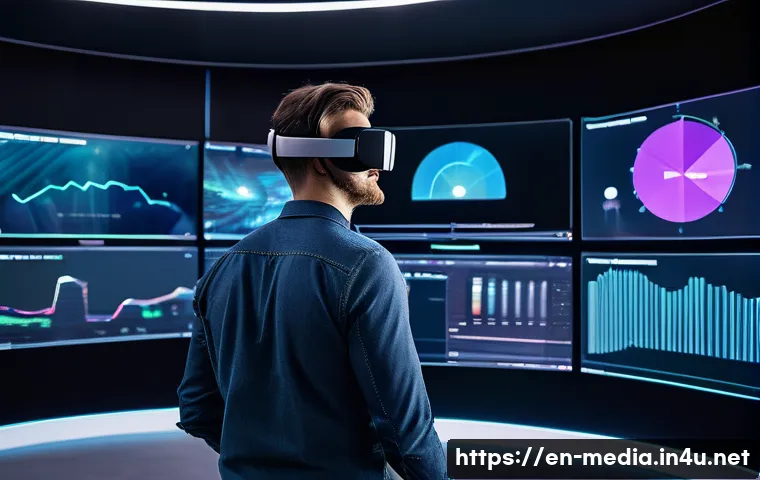
Virtual reality (VR) and augmented reality (AR) are opening new frontiers for immersive storytelling. Although still niche, these technologies offer unique opportunities for audience engagement by placing viewers inside the narrative world.
Industry insiders I spoke with believe VR and AR will gradually become mainstream, especially in gaming, education, and branded experiences. The challenge lies in creating content that is not only visually impressive but also meaningful and accessible to a broad audience.
Cloud-Based Collaboration and Remote Production
The pandemic accelerated the adoption of cloud-based tools, enabling remote collaboration among media teams worldwide. This shift has democratized content creation, allowing smaller teams and independent creators to produce professional-quality work without traditional studio setups.
I’ve noticed that seamless communication and real-time asset sharing have become standard expectations, making projects more agile and cost-effective.
This trend is likely to continue, fostering greater diversity and innovation in media production.
Key Metrics That Media Experts Track for Success
Engagement and Retention Rates
Engagement metrics such as likes, shares, comments, and watch time are often the first indicators of content performance. Media experts stress that retention rates—how long viewers stay watching—provide deeper insight into content quality and relevance.
High retention signals that the audience finds the material compelling enough to stay, which is crucial for platform algorithms that prioritize such content.
Tracking these numbers over time helps creators refine their approach and avoid content fatigue.
Conversion and Monetization Metrics
Beyond engagement, conversion metrics like click-through rates (CTR) and revenue per mille (RPM) are vital for monetization. From my discussions, I learned that media professionals constantly test different calls to action and ad placements to maximize these figures.
For example, subtle product placements combined with strong storytelling often yield better conversions than overt advertisements. Understanding how each metric influences revenue helps creators balance artistic integrity with financial goals.
Sentiment Analysis and Community Feedback
Qualitative data such as audience sentiment and community feedback rounds out the picture. Media strategists often use sentiment analysis tools to gauge public perception and identify potential issues early.
I’ve observed that active engagement with community comments and messages not only builds trust but also provides invaluable ideas for future content.
This ongoing dialogue transforms passive viewers into passionate advocates, reinforcing long-term success.
| Metric | Purpose | Typical Tools | Example Application |
|---|---|---|---|
| Watch Time | Measures how long viewers stay on content | YouTube Analytics, Vimeo Stats | Adjusting video length to maximize retention |
| Click-Through Rate (CTR) | Tracks percentage of viewers clicking links or ads | Google Ads, Facebook Insights | Optimizing thumbnail and title design |
| Engagement Rate | Quantifies likes, shares, comments relative to views | Instagram Insights, Twitter Analytics | Evaluating content relevance and virality |
| Sentiment Analysis | Assesses audience emotions and opinions | Brandwatch, Lexalytics | Refining messaging based on feedback |
| Revenue per Mille (RPM) | Calculates earnings per 1,000 views or impressions | AdSense, Media.net | Testing ad formats for maximum profitability |
Wrapping Up
In today’s fast-paced digital world, understanding audience behavior and adapting content strategies is more important than ever. Embracing emotional storytelling, leveraging data insights, and staying agile with trends can significantly boost engagement. As creators and brands evolve with technology and changing preferences, success lies in balancing authenticity with innovation.
Useful Insights to Remember
1. Capturing attention quickly is essential—short, impactful content performs best across social platforms.
2. Emotional connection fosters loyalty; authentic stories resonate deeper than polished ads.
3. Data analytics combined with creative intuition helps refine content for better engagement.
4. Trendspotting and influencer collaborations keep content fresh and broaden audience reach.
5. Monetization works best when blending subscriptions, ads, and direct support from fans.
Key Takeaways for Effective Media Strategies
Mastering digital audience engagement requires a thoughtful mix of timely content, emotional authenticity, and data-driven decisions. Maintaining a balance between consistency and innovation ensures ongoing interest without stagnation. Leveraging new technologies and diverse storytelling methods can deepen viewer involvement, while understanding monetization models helps sustain creative efforts. Ultimately, building genuine connections with audiences drives long-term success in the evolving media landscape.
Frequently Asked Questions (FAQ) 📖
Q: Why is understanding media trends important for content creators and marketers?
A: Grasping media trends is essential because it helps content creators and marketers stay relevant and connect with their audiences effectively. Media trends reveal what types of content resonate, which platforms are gaining popularity, and how consumer behavior shifts over time.
For example, noticing the rise of short-form video content on platforms like TikTok allowed many creators to adapt quickly and grow their reach. Without this insight, efforts may fall flat or miss opportunities, but with it, you can tailor your strategy to what your audience truly wants.
Q: How do media experts analyze audience behavior in today’s digital landscape?
A: Media experts use a blend of data analytics, social listening tools, and firsthand audience engagement to decode behavior. They look at metrics such as watch time, click-through rates, and sharing patterns to understand preferences.
But beyond numbers, they also pay attention to cultural moments, emerging conversations, and even subtle shifts in language and tone. From my experience chatting with professionals, they often combine these quantitative insights with qualitative observations to get a full picture, which helps in crafting content that feels both timely and authentic.
Q: What role do storytelling techniques play in adapting to social platforms and streaming services?
A: Storytelling is at the heart of how content thrives on social platforms and streaming services. However, the approach must evolve; shorter attention spans demand concise, engaging narratives that hook viewers quickly.
For example, on Instagram Reels or TikTok, the story often unfolds in seconds, relying on visuals and strong hooks rather than lengthy explanations. On streaming platforms, there’s more room for depth, but pacing and emotional connection remain key.
From what I’ve seen, creators who master these adaptive storytelling techniques tend to build stronger, more loyal audiences because they meet people where they are, rather than forcing old formats onto new platforms.