In today’s fast-paced world, media shapes how we see ourselves and the society around us more than ever before. From social networks to streaming platforms, the ways we consume information influence our beliefs, behaviors, and even relationships.
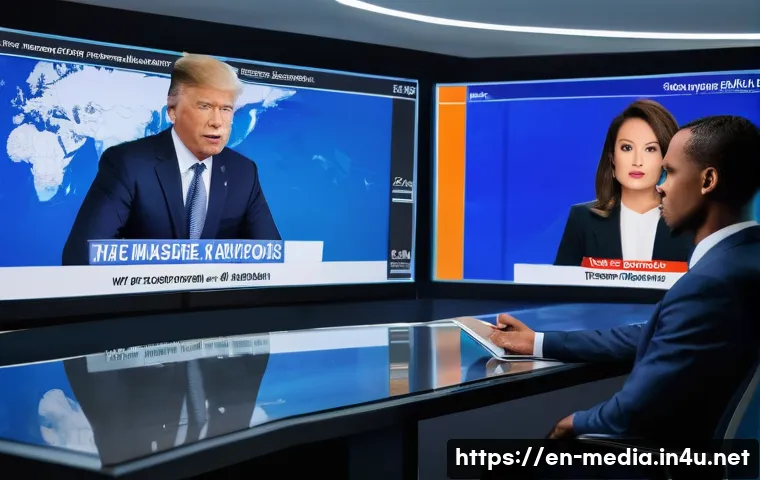
Understanding these effects is crucial as media continues to evolve and integrate deeper into our daily lives. Whether it’s the spread of information or the impact on public opinion, media holds immense power that can’t be ignored.
Let’s dive in and explore the social influence of media in detail to get a clearer picture!
The Shaping of Personal Identity Through Media
How Media Reflects and Molds Self-Perception
When I think about the countless hours people spend scrolling through social media feeds or binge-watching shows, it becomes clear that media is more than just entertainment—it actively shapes how we see ourselves.
For example, the images and narratives we consume often set standards for beauty, success, and lifestyle. I’ve noticed that friends who follow certain influencers tend to adopt similar fashion styles or even change their speech patterns to fit in with perceived trends.
This isn’t accidental; media creates a mirror reflecting ideals that many aspire to, but it also molds our self-image, sometimes unrealistically. The emotional impact is significant—people may feel empowered or, conversely, pressured and anxious about meeting these often unattainable benchmarks.
The Role of Social Media in Identity Formation
Social media platforms offer a stage where users present curated versions of themselves, blending authenticity with aspiration. From personal experience, I’ve seen how profiles become a highlight reel rather than a documentary of everyday life.
This selective sharing influences not only how others perceive us but also how we perceive ourselves. It’s like constantly performing, which can boost confidence but also lead to self-doubt when comparing behind-the-scenes with others’ highlights.
The community aspect further complicates this, as likes, comments, and shares serve as social currency, reinforcing certain behaviors and appearances.
This dynamic interplay between creation and validation profoundly affects identity formation, especially among younger users still figuring out who they are.
Media’s Influence on Group Identity and Belonging
Beyond individual identity, media plays a critical role in shaping group affiliations and social belonging. Watching TV shows or engaging in online communities around specific interests can create a sense of belonging and shared values.
For instance, fandoms around certain series or genres often foster strong social connections and collective identities. I personally experienced this when joining an online book club where the shared media interest built real friendships and a feeling of community.
However, this can also lead to echo chambers where only similar viewpoints thrive, limiting exposure to diverse perspectives. Media’s power to unite or divide social groups is a double-edged sword that significantly influences societal cohesion.
The Power of Media in Shaping Public Opinion
Media as the Primary Information Source
In my daily routine, I rely heavily on news apps and social media to stay updated, which is common for many. This reliance makes media a gatekeeper of information, controlling what we see and how we interpret events.
Editors and algorithms determine the prominence of stories, often emphasizing sensational or emotionally charged content to capture attention. This can skew public perception, sometimes amplifying fear or outrage disproportionately to actual risks or facts.
Personally, I’ve caught myself reacting strongly to headlines before reading the full story, a pattern many share. This highlights media’s formidable role in shaping opinions quickly and powerfully, sometimes at the expense of nuance.
The Impact of Framing and Bias
How a story is framed—what details are included or omitted—can dramatically alter public opinion. For example, two news outlets might cover the same event but present opposing narratives based on political leanings or editorial policies.
I’ve noticed this firsthand during election seasons when coverage varies widely, influencing voter perceptions. This framing isn’t always malicious but reflects inherent biases that shape audience views.
Understanding these biases is crucial for critical media consumption, yet many are unaware or overwhelmed by the volume of information. The challenge lies in navigating these biases to form balanced opinions amid a flood of partial truths.
The Role of Influencers and Opinion Leaders
Influencers, celebrities, and thought leaders on social media wield significant power in shaping public discourse. Their opinions can mobilize movements or sway attitudes, sometimes more effectively than traditional media.
I’ve seen viral campaigns led by influencers that brought attention to social issues or products, demonstrating this impact. However, the line between genuine advocacy and sponsored content can blur, affecting credibility.
Followers often trust these figures personally, which amplifies their persuasive power but also raises ethical questions about transparency and responsibility.
The influencer economy’s growth underscores how media influence extends beyond information to shaping cultural and political landscapes.
The Role of Algorithms in Shaping What We See
Personalization and Echo Chambers
Algorithms tailor content feeds based on user behavior, creating highly personalized media experiences. From my experience, this can be both a blessing and a curse.
On one hand, it surfaces content that aligns with my interests, saving time and boosting engagement. On the other, it limits exposure to diverse viewpoints, effectively creating echo chambers.
I’ve caught myself repeatedly seeing similar opinions and news stories, reinforcing existing beliefs without challenge. This selective exposure can deepen polarization and reduce open-mindedness, making it harder to engage in meaningful dialogue across differing perspectives.
Algorithm Transparency and User Control
The inner workings of content algorithms are often opaque, leaving users unaware of how their feeds are curated. I’ve tried adjusting settings on platforms to diversify content but found options limited or confusing.
This lack of transparency raises concerns about manipulation and fairness. Users deserve more control over the content they see, including clear explanations of how algorithms prioritize material.
Some platforms have started experimenting with features to increase user agency, but widespread adoption is slow. Increasing transparency and user empowerment could mitigate negative effects and promote healthier media consumption habits.
Commercial Interests Behind Algorithms
It’s important to recognize that algorithms are designed not just to engage users but also to maximize revenue. Advertisers pay platforms to target audiences precisely, influencing which content gets promoted.
From an insider’s perspective, the pressure to keep users engaged can lead to prioritizing sensational or emotionally charged content over balanced reporting.
This commercial incentive shapes the media landscape profoundly, sometimes at odds with public interest. Understanding this helps consumers be more critical and cautious about the motivations behind the content they consume daily.
The Psychological Impact of Media Consumption
Media-Induced Stress and Anxiety
Spending excessive time on media platforms can take a toll on mental health. I’ve personally experienced moments where constant exposure to negative news or social media drama left me feeling drained and anxious.
The endless stream of information, often highlighting crises or conflicts, can create a sense of helplessness or fear. This phenomenon, sometimes called “headline stress disorder,” is common in today’s hyper-connected world.
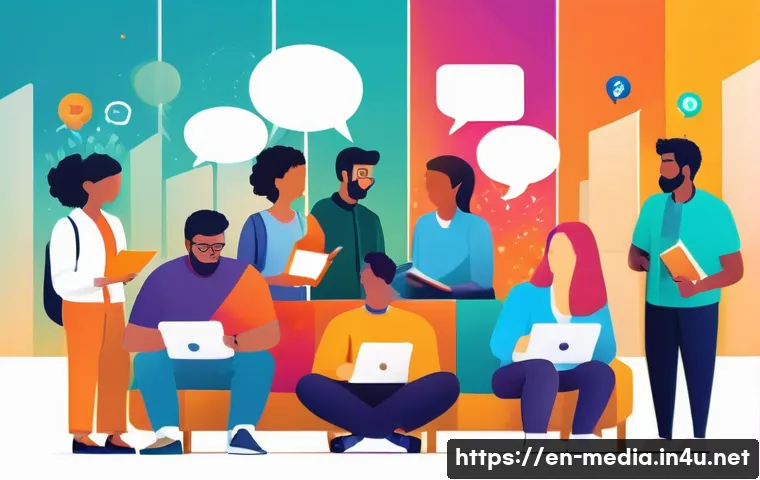
Recognizing when media consumption becomes overwhelming is key to maintaining emotional well-being.
The Positive Effects of Media on Mental Health
On the flip side, media can also offer support and relief. During stressful times, I’ve found comfort in online communities, inspirational videos, or mindfulness apps that provide coping strategies.
Media can raise awareness about mental health issues, reduce stigma, and connect people to resources. The challenge is balancing consumption to avoid negative effects while leveraging positive content that promotes resilience and hope.
The Role of Media Literacy in Psychological Well-Being
Developing media literacy skills is essential for navigating the psychological impacts of media. Being able to critically evaluate sources, recognize biases, and set healthy boundaries can reduce stress and improve overall media experiences.
I recommend setting time limits, curating trustworthy sources, and engaging in offline activities to maintain balance. Schools and communities should prioritize media literacy education to empower individuals, especially young people, to handle media’s psychological challenges effectively.
The Economic Influence of Media on Society
Media as an Advertising Powerhouse
Media platforms serve as the backbone of modern advertising, driving consumer behavior and economic trends. I’ve noticed how targeted ads on social media often align with my recent searches or interests, making marketing feel almost personalized.
This precision boosts advertising efficiency but also raises privacy concerns. Businesses rely heavily on media channels to reach potential customers, shaping product development and pricing strategies.
The economic ripple effect extends to content creators and influencers who monetize their presence, creating a new digital economy.
The Job Market and Media Careers
The growth of digital media has spawned a wide range of career opportunities, from content creation to data analytics. Personally, I’ve explored freelance writing and video production as ways to engage with this evolving field.
The demand for media professionals continues to rise, but so does competition and the need for continuous skill development. Understanding media’s economic role also means recognizing the gig economy’s impact, where many work independently without traditional job security, reflecting broader labor market shifts.
Media’s Role in Shaping Consumer Culture
Media doesn’t just advertise products; it influences lifestyles and consumption patterns. From my perspective, trends often originate or accelerate through viral content and influencer endorsements.
This can lead to rapid shifts in what people value or prioritize, affecting everything from fashion to technology adoption. The interplay between media and consumer culture drives economic cycles but also raises questions about sustainability and ethical consumption.
The Social Connectivity Enabled by Media
Building and Maintaining Relationships Online
Media platforms have transformed how we connect with others. I’ve personally kept in touch with distant friends and family through social networks, video calls, and group chats, which would have been difficult otherwise.
These tools enable real-time sharing and emotional support, especially during times when physical meetings aren’t possible. However, digital communication can sometimes lack the depth and nuance of face-to-face interactions, requiring conscious effort to maintain meaningful connections.
Creating Communities Around Shared Interests
One of the most powerful aspects of media is its ability to unite people around common passions, regardless of geographic distance. Joining niche online forums or fan groups has broadened my social circle and deepened my engagement with hobbies.
These communities offer a sense of belonging and collective identity that might be hard to find offline. They also provide platforms for collaboration, learning, and activism, showing how media fosters social cohesion in diverse ways.
The Challenges of Online Social Interaction
While media enables connection, it also brings challenges such as misinformation, cyberbullying, and social isolation. I’ve observed how online conflicts or toxic environments can strain relationships and harm mental health.
Navigating these issues requires digital etiquette, empathy, and often intervention by platform moderators. Balancing openness with caution is crucial for healthy social interaction in the media age.
| Aspect | Positive Effects | Negative Effects |
|---|---|---|
| Identity Formation | Empowerment, self-expression, community belonging | Unrealistic standards, social comparison, identity pressure |
| Public Opinion | Informed citizenry, diverse viewpoints (when balanced) | Bias, misinformation, polarization |
| Psychological Impact | Support networks, mental health awareness, coping tools | Stress, anxiety, information overload |
| Economic Influence | Job creation, market growth, personalized marketing | Privacy concerns, consumerism, job insecurity |
| Social Connectivity | Relationship maintenance, community building, collaboration | Cyberbullying, isolation, shallow interactions |
Conclusion
Media plays a powerful role in shaping who we are, influencing our identities, opinions, and social connections in profound ways. While it offers opportunities for empowerment and community, it also presents challenges like unrealistic expectations and bias. Being mindful of these effects helps us engage with media more thoughtfully and maintain a healthy balance in our lives.
Useful Information to Remember
1. Media shapes personal identity by reflecting ideals and influencing self-perception, sometimes creating pressure to conform.
2. Social media encourages curated self-presentation, which can boost confidence but also cause comparison and self-doubt.
3. Algorithms personalize content to user preferences but may limit exposure to diverse viewpoints, fostering echo chambers.
4. Media consumption impacts mental health both positively, through support and awareness, and negatively, through stress and anxiety.
5. The economic influence of media includes job creation and targeted advertising but raises concerns about privacy and consumerism.
Key Takeaways
Understanding media’s dual role—as a source of connection and influence, as well as a potential source of bias and psychological strain—is essential in today’s digital world. Developing critical media literacy and managing consumption habits empower individuals to navigate this complex landscape effectively, ensuring media serves as a tool for growth rather than a source of harm.
Frequently Asked Questions (FAQ) 📖
Q: How does media shape our perceptions of ourselves and society?
A: Media acts like a mirror and a magnifier at the same time. When we scroll through social media or watch shows, we see curated versions of people’s lives and societal norms.
This exposure subtly influences how we view our own identities and what we consider “normal” or desirable. For example, consistent exposure to certain beauty standards can impact self-esteem, while news coverage shapes our understanding of social issues.
Over time, these portrayals blend into our subconscious, guiding behaviors and attitudes often without us realizing it.
Q: Can the media influence public opinion and behavior significantly?
A: Absolutely. Media doesn’t just report facts; it frames stories in ways that can sway emotions and opinions. Think about how a viral video or trending hashtag can spark movements or change perceptions almost overnight.
During elections or social crises, the way media highlights certain viewpoints or stories can mobilize communities or deepen divides. From my own experience, I’ve noticed how repeated exposure to particular narratives on platforms like Twitter can shift my stance on issues I hadn’t given much thought to before.
Q: How can individuals protect themselves from negative media influence?
A: Being media-savvy is key. That means actively questioning what you see and seeking diverse sources rather than sticking to one outlet or social bubble.
I’ve found it helpful to take breaks from social media to reset my perspective and avoid information overload. Also, understanding that not everything online reflects reality helps reduce anxiety or unrealistic comparisons.
Engaging in conversations with people who have different viewpoints can also broaden your understanding and reduce the echo chamber effect. Ultimately, awareness and critical thinking are your best defenses.